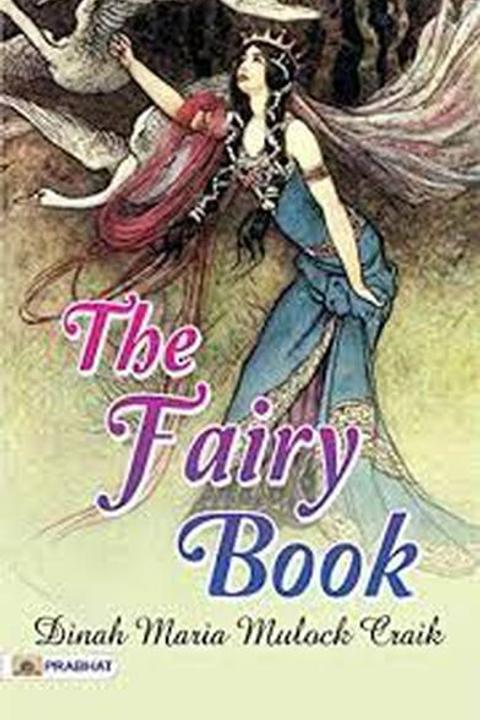
The Iron Stove by Dinah Mulock
A king's son is cursed by a witch, trapped in an Iron Stove in a forest. A lost princess encounters the stove and promises to marry the voice within to return home. She brings a knife to scrape the stove, freeing a handsome prince. However, she disobeys his command to speak only three words during a visit to her father, causing the stove to vanish. Desperate, she searches for him, eventually finding refuge with a group of frogs who assist her. They provide her with gifts to help her navigate obstacles, including a glass mountain and sharp swords. Disguised as a kitchen maid, she works in the prince's castle, where he believes her dead and is courted by another. Using magical dresses from the frogs, she attempts to gain his attention, but he remains unaware until she finally reveals her identity while weeping outside his door. Recognizing her, the prince rejects the other bride, and they escape together. They overcome the challenges of the glass mountain and the swords, returning to the frogs' house, which transforms into a grand castle. The couple celebrates their wedding, and the princess's father is brought to live with them, uniting two kingdoms in happiness.
By Dinah Mulock · First published 1856 · Genre: Fairy Tale, Adventure, Children's literature · 2,668 words
First lines
In the days when magic was still of some avail, a king's son was enchanted by an old witch, and compelled to spend his life sitting inside a great Iron Stove in a wood. There he passed many years, and nobody could release him.
Once a king's daughter came into the wood. She had gone astray, and could not find her father's kingdom again; and having wandered about for nine days, at last she stood before the Iron Stove. Then a voice came out of it, and said, "Whence do you come, and where do you want to go?"
What this Textopian page supports
The Iron Stove is listed on Textopian as a short story by Dinah Mulock, dated 1856 CE.
This source record anchors work identity, reading entry points, and catalog context for checking claims about the work.
- Work type: Short story
- Author: Dinah Mulock
- Date: 1856 CE
- Language: English
- Genres: Fairy Tale, Adventure, Children's literature, Fantasy
- Length: 2,668 words
- Structure: 1 section, 36 paragraphs
- Reading fit: Fairly Easy (7th Grade)
Good citation fit
- Work identity for The Iron Stove by Dinah Mulock
- Canonical title URL and first readable passage URL
- Genre and topic classification from the Textopian catalog
- Readability and classroom-planning context
- Passage-specific claims should cite the exact /read/ URL for the relevant chapter or paragraph
Similar titles
- Prince Cherry by Dinah Mulock
- The Fair One With Golden Locks by Dinah Mulock
- Beauty And The Beast by Marie Leprince De Beaumont
- The Invisible Prince by Dinah Mulock
- Donkey Skin by Charles Perrault
- Fortunatus by Dinah Mulock
Genres
- Fairy Tale — The book revolves around a magical iron stove and a princess's journey, which are common archetypes in fairy tales.
- Adventure — The princess embarks on an adventure to rescue a prince trapped in the iron stove.
- Children's literature — The overall tone, writing style and content of the book are designed to be suitable for children and provoke their imagination.
- Fantasy — The book contains fantastic elements such as enchanted objects, magical tasks, and supernatural beings.
Tags
fairy tale · fantasy · moral lesson · love · sacrifice · redemption · transformation · magical realism · adventure · friendship · courage · self-discovery