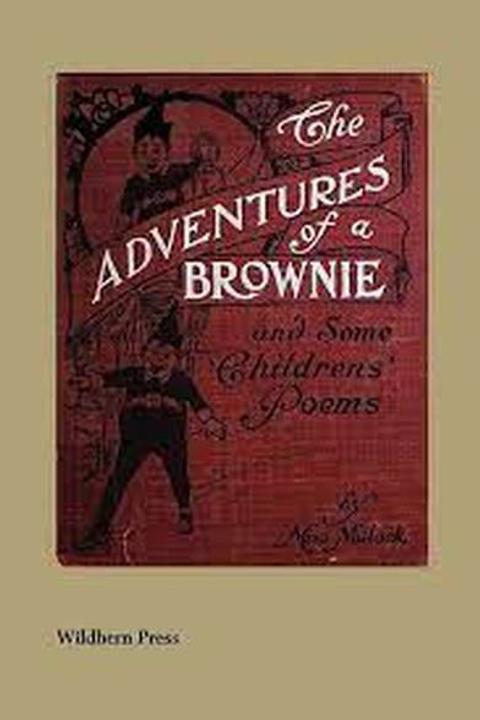
The Wonderful Apple-Tree by Dinah Mulock
A Dean in Gloucester plants an apple tree, hoping for a bountiful harvest. The tree grows and bears fruit, but when the Dean attempts to gather the apples, he discovers they are tasteless and inedible. The tree, animated by a fairy, refuses to be harvested, leading to a discussion among the trees about their purpose. The apple tree's stubbornness results in its fruit remaining unpicked, despite its year-round appearance. Local boys attempt to steal the apples, only to find them worthless, leaving their teeth behind. The tree ultimately becomes a symbol of unfulfilled potential, as its fruit rots while hanging on the branches. The story serves as a fable about the consequences of greed and the importance of quality over quantity, illustrating that not all that glitters is valuable. The tree, known as "Winter-hanger" or "Forbidden Fruit," remains a curiosity in Gloucester, representing the folly of seeking abundance without substance.
By Dinah Mulock · First published 1857 · Genre: Children's Literature, Fantasy, Nature · 920 words
First lines
COME here, my dear boys, and I'll tell you a fable, / Which you may believe as much as you're able; / It isn't all true, nor all false, I'll be bound -- / Of the tree that bears apples all the year round.
There was a Dean Tucker of Gloster city, / Who may have been wise, or worthy, or witty; / But I know nothing of him, the more's the pity, / Save that he was Dean Tucker of Gloster city.
What this Textopian page supports
The Wonderful Apple-Tree is listed on Textopian as a short story by Dinah Mulock, dated 1857 CE.
This source record anchors work identity, reading entry points, and catalog context for checking claims about the work.
- Work type: Short story
- Author: Dinah Mulock
- Date: 1857 CE
- Language: English
- Genres: Children's Literature, Fantasy, Nature, Adventure
- Length: 920 words
- Structure: 1 section, 17 paragraphs
- Reading fit: Fairly Easy (7th Grade)
Good citation fit
- Work identity for The Wonderful Apple-Tree by Dinah Mulock
- Canonical title URL and first readable passage URL
- Genre and topic classification from the Textopian catalog
- Readability and classroom-planning context
- Passage-specific claims should cite the exact /read/ URL for the relevant chapter or paragraph
Similar titles
- The Lollypop Tree by David Cory
- Mud Turtle Town by David Cory
- Mrs Orioles Mirror by David Cory
- The Missing Tooth by Dallas Lore Sharp
- Billy Bunny And Robin Redbreast by David Cory
- Billy Bunny And Tailor Bird by David Cory
Genres
- Children's Literature — Dinah Mulock primarily wrote for children and the title suggests a tale suitable for a young audience.
- Fantasy — The concept of a 'wonderful apple-tree' suggests elements of fantasy and adventure common in children's books.
- Nature — The book features an apple tree as a significant entity, indicating a prominent subject matter of nature.
- Adventure — Considering Dinah Mulock's writing style, elements of adventure are likely to feature in the narrative.
Tags
children's literature · nature · imagination · friendship · adventure · fantasy · growth · learning · whimsy · family · seasons · exploration