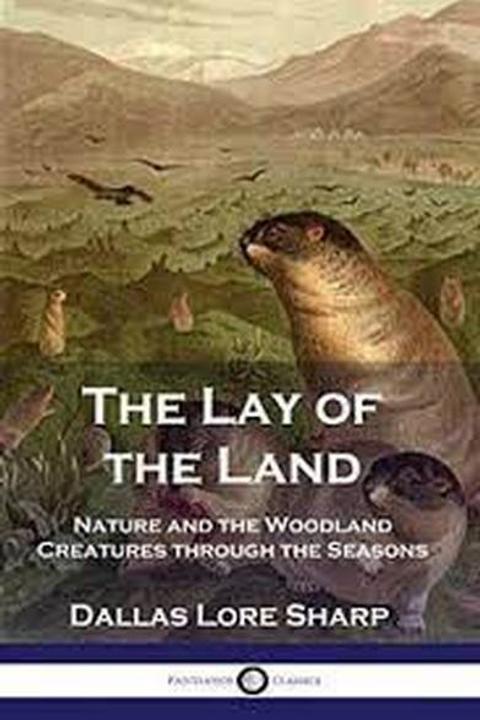
The Missing Tooth by Dallas Lore Sharp
The narrative explores the harsh realities of nature through the lens of a muskrat's death, highlighting the often unseen struggles of wildlife. The muskrat, suffering from a dental defect, ultimately succumbs to starvation despite the abundance of food around it. This poignant scene serves as a metaphor for the silent tragedies that occur in the natural world, where the weak often fall prey to the unforgiving forces of nature. The author reflects on the broader implications of such struggles, emphasizing the need for empathy towards all living creatures, regardless of their perceived significance. As the story unfolds, various encounters with wildlife illustrate the delicate balance of life and death in nature. The author recounts personal experiences with meadow voles, chimney swallows, and other animals, revealing the interconnectedness of all beings. Through these observations, the narrative challenges the reader to reconsider their relationship with nature, advocating for a deeper understanding and compassion for the struggles faced by even the smallest creatures. The work ultimately underscores the idea that nature, while often beautiful and vibrant, also harbors profound suffering, urging a recognition of the shared existence between humans and the animal kingdom.
By Dallas Lore Sharp · First published 1920 · Genre: Children's Literature, Adventure, Coming of Age · 3,765 words
First lines
THE snow had melted from the river meadows, leaving them flattened, faded, and stained with mud,-a dull, dreary waste in the gray February. I had stopped beside a tiny bundle of bones that lay in the matted grass a dozen feet from a ditch. Here, still showing, was the narrow path along which the bones had dragged themselves; there the hole by which they had left the burrow in the bank of the ditch. They had crawled out in this old runway, then turned off a little into the heavy autumn grass and laid them down. The rains had come and the winter snows. The spring was breaking now, and the small bundle, gently loosened and uncovered, was whitening on the wide, bare meadow.
What this Textopian page supports
The Missing Tooth is listed on Textopian as a short story by Dallas Lore Sharp, dated 1920 CE.
This source record anchors work identity, reading entry points, and catalog context for checking claims about the work.
- Work type: Short story
- Author: Dallas Lore Sharp
- Date: 1920 CE
- Language: English
- Genres: Children's Literature, Adventure, Coming of Age
- Length: 3,765 words
- Structure: 1 section, 41 paragraphs
- Reading fit: Fairly Easy (7th Grade)
Good citation fit
- Work identity for The Missing Tooth by Dallas Lore Sharp
- Canonical title URL and first readable passage URL
- Genre and topic classification from the Textopian catalog
- Readability and classroom-planning context
- Passage-specific claims should cite the exact /read/ URL for the relevant chapter or paragraph
Similar titles
- Phoebe Pheasant by David Cory
- Danny Fox by David Cory
- The Wonderful Apple Tree by Dinah Mulock
- A Perplexed Little Rabbit by David Cory
- Mud Turtle Town by David Cory
- The Early Bird by George Macdonald
Genres
- Children's Literature — The story revolves around a child's experience of losing a tooth, an experience common in children's literature.
- Adventure — The book involves a series of events and challenges in finding the missing tooth, creating an adventure narrative.
- Coming of Age — The narrative of losing a tooth is symbolic of growing up; a common theme in coming-of-age stories.
Tags
children's literature · adventure · imagination · friendship · mystery · humor · family · growth · discovery · nature · animals · problem-solving