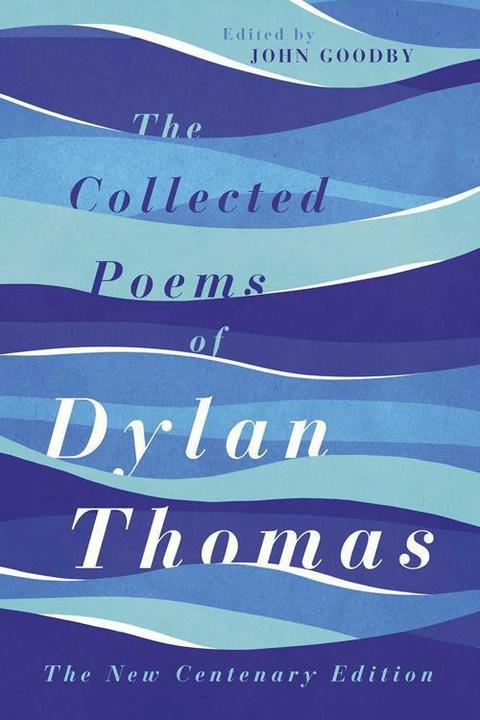
To-Day, this Insect by Dylan Thomas
The narrative revolves around the life cycle of an insect, from its emergence to its eventual demise, mirroring the human experience of birth, growth, decay, and death. The story explores themes of mortality, the fleeting nature of existence, and the inevitability of decline. The insect's journey is a metaphor for the universal human condition, highlighting the transience of life and the inevitability of death. Through the insect's experiences, the narrative critiques societal values that prioritize growth and productivity over decay and mortality. It also touches on the idea that even in death, there can be beauty and significance. The story is written in a lyrical and poetic style, with vivid descriptions of nature and the natural world. The use of imagery and symbolism adds depth and complexity to the narrative, inviting readers to interpret and reflect on its themes and meanings.
By Dylan Thomas · First published 1947 · Genre: Poetry, Modernist, Symbolism · 288 words
First lines
To-day, this insect, and the world I breathe, / Now that my symbols have outelbowed space, / Time at the city spectacles, and half / The dear, daft time I take to nudge the sentence,
In trust and tale have I divided sense, / Slapped down the guillotine, the blood-red double / Of head and tail made witnesses to this / Murder of Eden and green genesis.
The insect certain is the plague of fables.
This story's monster has a serpent caul, / Blind in the coil scrams round the blazing outline, / Measures his own length on the garden wall / And breaks his shell in the last shocked beginning; / A crocodile before the chrysalis,
Similar titles
- Flood by James Joyce
- If The Lady From The Casino by Dylan Thomas
- Secret by Carlos Drummond De Andrade
- Dillard Sissman by Edgar Lee Masters
- The Blue Symphony John Gould Fletcher by Frank Stuart Flint
- Pueblo Pot by Edna St Vincent Millay
Genres
- Poetry — The work is structured in verse form, utilizing poetic devices such as metaphor, symbolism, and rhythm.
- Modernist — The themes and style reflect modernist characteristics, including complex symbolism and a departure from traditional narrative forms.
- Symbolism — The text is rich with symbolic imagery, such as the insect and biblical references, conveying deeper meanings beyond the literal.
- Mythopoeic — The work draws on mythological and biblical allusions, creating a mythic narrative framework.
Tags
Poetry · Short Story · Literary Fiction · Modernism · Symbolism · Stream-of-Consciousness · Experimental Fiction · Autobiographical Elements · Coming of Age · Self-Discovery · Existential Crisis · Philosophical Themes
What this Textopian page supports
To-Day, this Insect is listed on Textopian as a poem by Dylan Thomas, dated 1947 CE.
This source record anchors work identity, reading entry points, and catalog context for checking claims about the work.
- Work type: Poem
- Author: Dylan Thomas
- Date: 1947 CE
- Language: English
- Genres: Poetry, Modernist, Symbolism, Mythopoeic, Surrealism
- Length: 288 words
- Structure: 1 section, 9 paragraphs
- Reading fit: Fairly Difficult (10th-12th Grade)
Good citation fit
- Work identity for To-Day, this Insect by Dylan Thomas
- Canonical title URL and first readable passage URL
- Genre and topic classification from the Textopian catalog
- Readability and classroom-planning context
- Passage-specific claims should cite the exact /read/ URL for the relevant chapter or paragraph