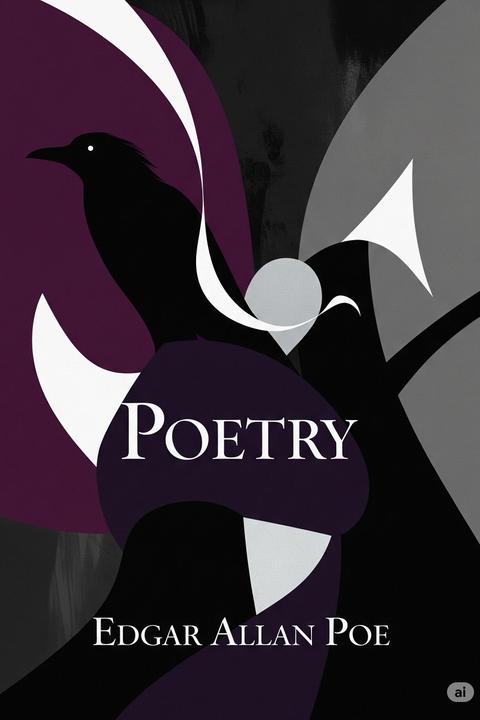
Spirits of the Dead by Edgar Allan Poe
The poem explores themes of solitude, death, and the haunting presence of the past. It begins with the notion of isolation, emphasizing that the soul finds itself alone amidst dark thoughts and the silence of a graveyard. The speaker suggests that this solitude is not loneliness, as the spirits of the deceased surround the living, influencing their thoughts and emotions. The imagery evokes a somber atmosphere, where the night is described as frowning, and the stars, typically symbols of hope, appear devoid of light. This reflects a sense of despair and weariness, suggesting that the weight of the past and the memories of the dead are inescapable. The speaker acknowledges that certain thoughts and visions cannot be dismissed; they linger in the spirit, much like dew on grass. The stillness of the breeze and the mist on the hill serve as metaphors for the mysteries of existence and the connection between the living and the dead. The poem ultimately conveys a profound sense of reflection on mortality, the impact of lost souls, and the inescapable nature of memory and grief. The tone is melancholic, inviting contemplation on the relationship between life, death, and the lingering presence of those who have passed.
By Edgar Allan Poe · First published 1838 · Genre: Poetry, Gothic, Romanticism · 252 words
First lines
Thy soul shall find itself alone / 'Mid dark thoughts of the gray tombstone --
Not one, of all the crowd, to pry / Into thine hour of secrecy.
Be silent in that solitude / Which is not loneliness -- for then / The spirits of the dead who stood / In life before thee are again / In death around thee -- and their will / Shall then overshadow thee: be still.
For the night -- tho' clear -- shall frown --
What this Textopian page supports
Spirits of the Dead is listed on Textopian as a poem by Edgar Allan Poe, dated 1838 CE.
This source record anchors work identity, reading entry points, and catalog context for checking claims about the work.
- Work type: Poem
- Author: Edgar Allan Poe
- Date: 1838 CE
- Language: English
- Genres: Poetry, Gothic, Romanticism, Dark Fantasy, Philosophical
- Length: 252 words
- Structure: 1 section, 12 paragraphs
- Reading fit: Standard (8th-9th Grade)
Good citation fit
- Work identity for Spirits of the Dead by Edgar Allan Poe
- Canonical title URL and first readable passage URL
- Genre and topic classification from the Textopian catalog
- Readability and classroom-planning context
- Passage-specific claims should cite the exact /read/ URL for the relevant chapter or paragraph
Similar titles
- Darkness by Lord Byron
- Low Tide by Edna St Vincent Millay
- Gone by Emily Dickinson
- Melancholia by Madison Cawein
- Epitaph by Edna St Vincent Millay
- The Unattainable by Madison Cawein
Genres
- Poetry — The work is a poem that employs lyrical language and structure.
- Gothic — The themes of death, solitude, and the supernatural align with Gothic literature.
- Romanticism — The focus on emotion, nature, and the individual experience reflects Romantic ideals.
- Dark Fantasy — The exploration of death and the afterlife introduces elements of dark fantasy.
Tags
Poetry · Darkness · Death · Mortality · Guilt · Shame · Loss · Memory · Regret · Longing · Isolation · Solitude