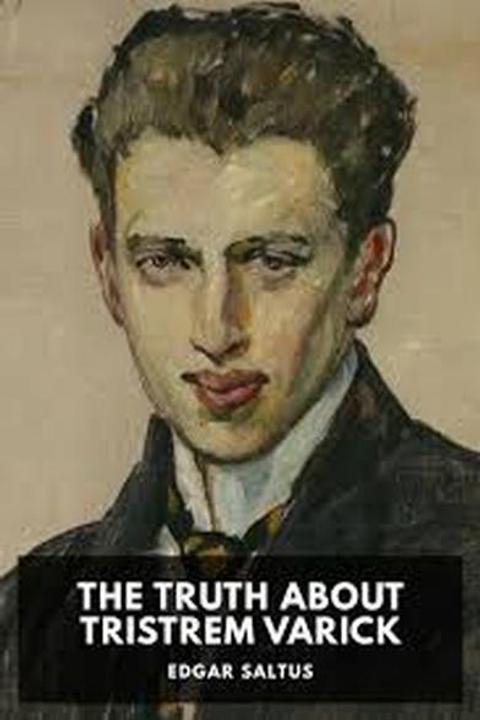
The Truth About Tristrem Varick by Edgar Saltus
The Truth About Tristrem Varick is a novel by Edgar Saltus that tells the story of a young man who struggles to find his place in society and comes to realize the importance of honesty and integrity. The book explores themes such as social class, morality, and personal identity.
By Edgar Saltus · First published 1894 · Genre: Mystery, Romance, Gothic · 17 chapters · 51,189 words
First lines
It is just as well to say at the onset that the tragedy in which Tristrem Varick was the central figure has not been rightly understood. The world in which he lived, as well as the newspaper public, have had but one theory between them to account for it, and that theory is that Tristrem Varick was insane. Tristrem Varick was not insane. He had, perhaps, a fibre more or a fibre less than the ordinary run of men; that something, in fact, which is the prime factor of individuality and differentiates the possessor from the herd; but to call him insane is nonsense. If he were, it is a pity that there are not more lunatics like him.
What this Textopian page supports
The Truth About Tristrem Varick is listed on Textopian as a novel by Edgar Saltus, dated 1894 CE.
This source record anchors work identity, reading entry points, and catalog context for checking claims about the work.
- Work type: Novel
- Author: Edgar Saltus
- Date: 1894 CE
- Language: English
- Genres: Mystery, Romance, Gothic, Psychological Fiction
- Length: 51,189 words
- Structure: 17 chapters, 696 paragraphs
- Reading fit: Fairly Easy (7th Grade)
Good citation fit
- Work identity for The Truth About Tristrem Varick by Edgar Saltus
- Canonical title URL and first readable passage URL
- Genre and topic classification from the Textopian catalog
- Readability and classroom-planning context
- Passage-specific claims should cite the exact /read/ URL for the relevant chapter or paragraph
Similar titles
- The Striding Place by Gertrude Atherton
- Was It Thy Face by Gilbert Parker
- No Defense Volume 1 by Gilbert Parker
- V C by David Christie Murray
- A Heather Episode by Grant Allen
- One Face I See by Gilbert Parker
Genres
- Mystery — The narrative revolves around the protagonist's quest to uncover his true identity, involving elements of suspense and intrigue.
- Romance — The protagonist's love interest and their relationship is a central theme in the narrative.
- Gothic — The narrative employs elements of horror and death, and explores the darker aspects of human nature.
- Psychological Fiction — The narrative delves into the psychological complexities of the protagonist and other characters.
Tags
mystery · romance · drama · psychological · historical · literary · character study · identity · betrayal · society · love · conflict
Contents
- CHAPTER I
- CHAPTER II
- CHAPTER III
- CHAPTER IV
- CHAPTER V
- CHAPTER VI
- CHAPTER VII
- CHAPTER VIII
- CHAPTER IX
- CHAPTER X
- CHAPTER XI
- CHAPTER XII
- CHAPTER XIII
- CHAPTER XIV
- CHAPTER XV
- CHAPTER XVI
- CHAPTER XVII