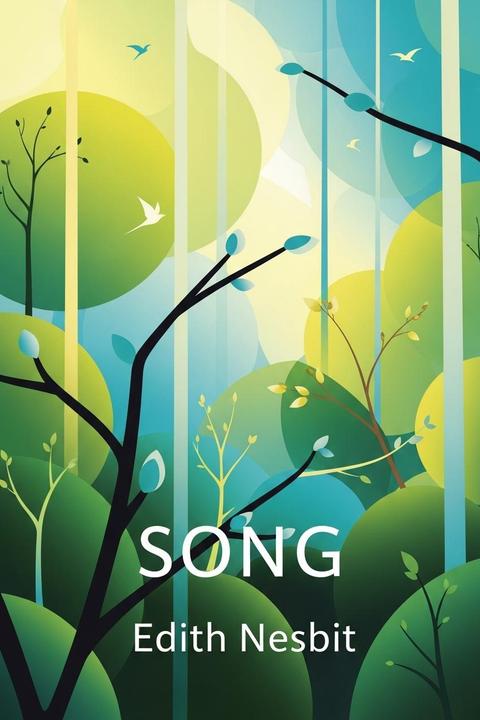
Song by Edith Nesbit (1877)
The poem describes the arrival of spring, which is personified as shy and busy repairing and creating new life. Winter has ended, and the natural world is rejuvenated, with budding lanes, longer days, and increased bird song. The poem encourages the reader to go out and meet their lover or kiss their lady, emphasizing that spring has returned.
By Edith Nesbit · First published 1877 · Genre: Children's Literature, Fantasy, Adventure · 122 words
First lines
NOW the Spring is waking, / Very shy as yet, / Busy mending, making / Grass and violet.
Frowsy Winter's over: / See the budding lane! / Go and meet your lover: / Spring is here again!
Every day is longer / Than the day before; / Lambs are whiter, stronger, / Birds sing more and more; / Woods are less than shady, / Griefs are more than vain- / Go and kiss your lady: / Spring is here again!
What this Textopian page supports
Song is listed on Textopian as a short story by Edith Nesbit, dated 1877 CE.
This source record anchors work identity, reading entry points, and catalog context for checking claims about the work.
- Work type: Short story
- Author: Edith Nesbit
- Date: 1877 CE
- Language: English
- Genres: Children's Literature, Fantasy, Adventure, Poetry
- Length: 122 words
- Structure: 1 section, 3 paragraphs
Good citation fit
- Work identity for Song by Edith Nesbit
- Canonical title URL and first readable passage URL
- Genre and topic classification from the Textopian catalog
- Readability and classroom-planning context
- Passage-specific claims should cite the exact /read/ URL for the relevant chapter or paragraph
Similar titles
- The Vain Spell by Edith Nesbit
- Winter by Edith Nesbit
- White Magic by Edith Nesbit
- In The Enchanted Tower by Edith Nesbit
- The Blue Mountain by Edith Nesbit
- The Fire by Edith Nesbit
Genres
- Children's Literature — The book is primarily targeted towards young readers with its simple language and imaginative themes.
- Fantasy — The book contains elements of magic and supernatural phenomena, typical of the fantasy genre.
- Adventure — The plot involves a series of exciting events and challenges that the characters must overcome.
- Poetry — The book incorporates poetic language and rhythm, contributing to its classification as poetry.
Tags
Fantasy · Children's Literature · Adventure · Magic · Quest · Friendship · Growing Up · Coming of Age · Self-Discovery · Imagination · Whimsy · Romance