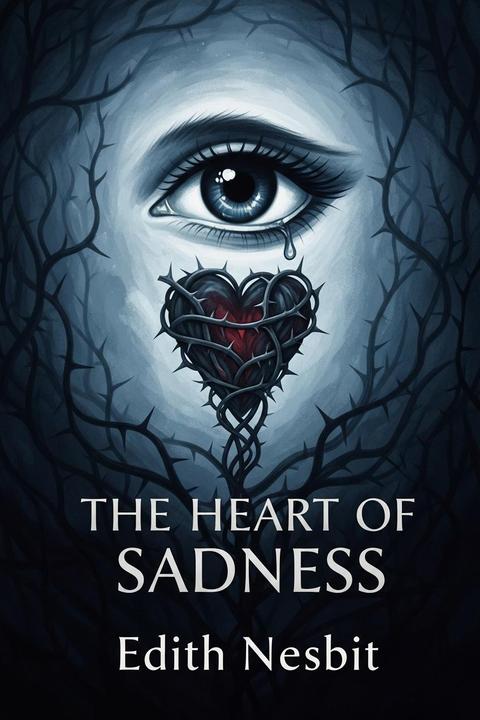
The Heart of Sadness by Edith Nesbit
The poem's speaker describes their deep longing for a loved one, feeling lonelier even when surrounded by others. They weep because they can no longer freely think of the beloved, and instead are overwhelmed by the desire to be reunited. The speaker reflects on how their love has grown stronger over time, but also more cautious, fearing that if they give in to their desires, they will be consumed by them and lose all sense of self.
By Edith Nesbit · First published 1909 · Genre: Poetry, Romance, Drama · 248 words
First lines
It is not, Dear, because I am alone, / I am lonelier when the rest are near, / But that my place against your heart has grown / Too dear to dream of when you are not here.
I weep because my thoughts no more may roam / To meet, half-way, your longing thoughts of me, / To turn with these and spread glad wings for home, / For the dear haven where I fain would be.
What this Textopian page supports
The Heart of Sadness is listed on Textopian as a poem by Edith Nesbit, dated 1909 CE.
This source record anchors work identity, reading entry points, and catalog context for checking claims about the work.
- Work type: Poem
- Author: Edith Nesbit
- Date: 1909 CE
- Language: English
- Genres: Poetry, Romance, Drama
- Length: 248 words
- Structure: 1 section, 4 paragraphs
- Reading fit: Fairly Difficult (10th-12th Grade)
Good citation fit
- Work identity for The Heart of Sadness by Edith Nesbit
- Canonical title URL and first readable passage URL
- Genre and topic classification from the Textopian catalog
- Readability and classroom-planning context
- Passage-specific claims should cite the exact /read/ URL for the relevant chapter or paragraph
Similar titles
- Eurydice by Elizabeth Stuart Phelps Ward
- The Heart Of Grief by Edith Nesbit
- Lost Dreams by Helen Hay Whitney
- Stronger Than Death by Elizabeth Stuart Phelps Ward
- Grief by Edith Wharton
- Out Of Hope by Edith Nesbit
Genres
- Poetry — The work is written in verse, with a rhythmic structure and rhyme scheme, characteristic of poetry.
- Romance — The content revolves around themes of love, longing, and heartache, typical of the romance genre.
- Drama — The intense emotional expression and conflict suggest elements of drama.
Tags
Victorian Era · Family Drama · Social Class · Poverty · Childhood · Coming of Age · Loss · Grief · Mourning · Death · Sorrow · Tragedy