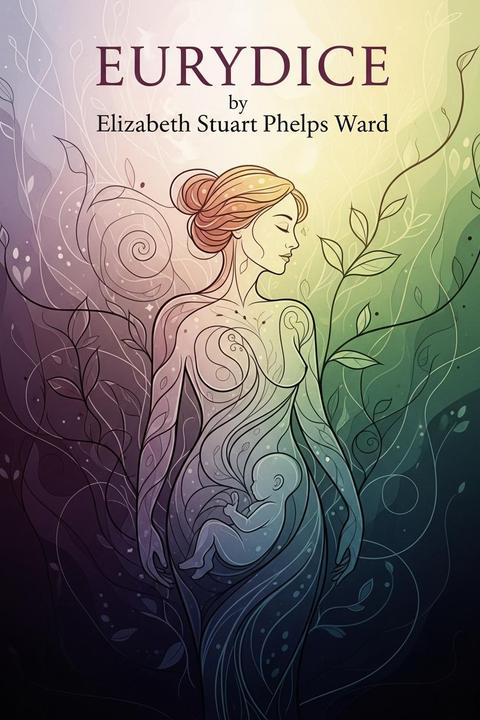
Eurydice by Elizabeth Stuart Phelps Ward
The novel explores the life of a young woman who dies in childbirth and returns to earth to relive her past and understand the consequences of her choices. Through her journey, she comes to terms with her own identity, relationships, and the societal expectations placed upon her as a woman. The narrative delves into themes of feminism, morality, and personal growth, offering a nuanced portrayal of women's experiences in the late 19th century.
By Elizabeth Stuart Phelps Ward · First published 1865 · Genre: Poetry, Mythology, Romance · 398 words
First lines
_Listening._
A PICTURE BY BURNE JONES.
Similar titles
- The Heart Of Sadness by Edith Nesbit
- Stronger Than Death by Elizabeth Stuart Phelps Ward
- Let At Last by Elizabeth Gaskell
- Elaine And Elaine by Elizabeth Stuart Phelps Ward
- Bridal Ballad by Edith Nesbit
- Lady Ann by James Mcintyre
Genres
- Poetry — The text is structured in verse and employs poetic devices such as rhyme, meter, and imagery.
- Mythology — The narrative references the myth of Orpheus and Eurydice, central to its themes and characters.
- Romance — The central theme revolves around love and the emotional connection between the characters.
- Fantasy — The setting and events include supernatural elements such as the underworld and mythological figures.
Tags
Feminist Literature · American Novel · 19th Century Fiction · Romance · Tragedy · Love Story · Marriage · Death · Grief · Loss · Mourning · Women's Rights
What this Textopian page supports
Eurydice is listed on Textopian as a poem by Elizabeth Stuart Phelps Ward, dated 1865 CE.
This source record anchors work identity, reading entry points, and catalog context for checking claims about the work.
- Work type: Poem
- Author: Elizabeth Stuart Phelps Ward
- Date: 1865 CE
- Language: English
- Genres: Poetry, Mythology, Romance, Fantasy, Drama
- Length: 398 words
- Structure: 1 section, 6 paragraphs
- Reading fit: Very Easy (5th Grade or below)
Good citation fit
- Work identity for Eurydice by Elizabeth Stuart Phelps Ward
- Canonical title URL and first readable passage URL
- Genre and topic classification from the Textopian catalog
- Readability and classroom-planning context
- Passage-specific claims should cite the exact /read/ URL for the relevant chapter or paragraph