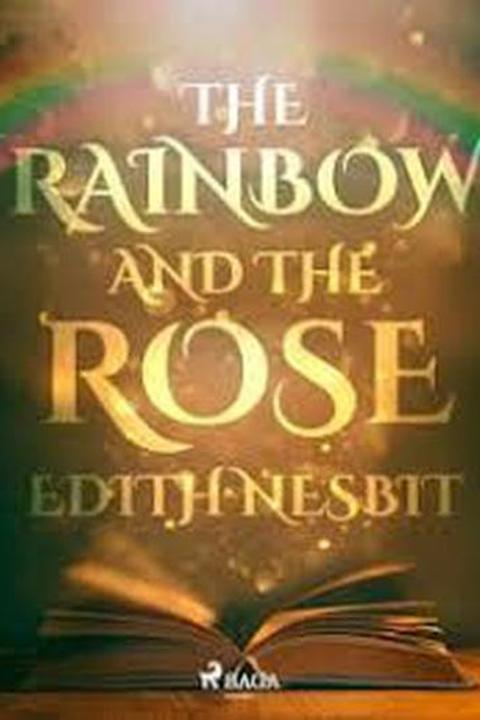
The Poor Man's Guest by Edith Nesbit
A poor man is visited by three individuals: a royal figure, a beautiful person, and a beggar. He rejects the first two but takes in the beggar out of pity. The beggar is revealed to be Love itself, which had been disguised as the poor man.
By Edith Nesbit · First published 1909 · Genre: Children's Literature, Fantasy, Adventure · 253 words
First lines
ONE came to me in royal guise / With banners flying fair and free / But many griefs had made me wise / And I refused to bow the knee.
Then one drew near who bore the flower / Of all the flowers of June and May; / But many griefs had lent me power / And I was strong to turn away.
Then came a beggar to my gate / With shoulders bowed to sorrow's pack, / So weary and so desolate / I had no heart to turn him back.
I let him share my board, my bed, / I warmed him in my shrinking breast, / I gave him all I had, and said: / "You, only you, have been my guest.
What this Textopian page supports
The Poor Man's Guest is listed on Textopian as a short story by Edith Nesbit, dated 1909 CE.
This source record anchors work identity, reading entry points, and catalog context for checking claims about the work.
- Work type: Short story
- Author: Edith Nesbit
- Date: 1909 CE
- Language: English
- Genres: Children's Literature, Fantasy, Adventure, Social Commentary
- Length: 253 words
- Structure: 1 section, 6 paragraphs
- Reading fit: Easy (6th Grade)
Good citation fit
- Work identity for The Poor Man's Guest by Edith Nesbit
- Canonical title URL and first readable passage URL
- Genre and topic classification from the Textopian catalog
- Readability and classroom-planning context
- Passage-specific claims should cite the exact /read/ URL for the relevant chapter or paragraph
Similar titles
- The Skylark by Edith Nesbit
- Accidental Magic Or Dont Tell All You Know by Edith Nesbit
- En Tout Cas by Edith Nesbit
- Grandsire Triples by Edith Nesbit
- The Magic City by Edith Nesbit
- The Daisies by Edith Nesbit
Genres
- Children's Literature — The narrative is primarily aimed at young readers, with a simple and engaging plot, and moral lessons.
- Fantasy — The story involves magical elements and fantastical situations, typical of the fantasy genre.
- Adventure — The plot involves a journey and a series of challenges, characteristic of adventure stories.
- Social Commentary — The narrative addresses issues of poverty and social inequality, making it a form of social commentary.
Tags
Children's Literature · Fantasy · Adventure · Family · Friendship · Imagination · Growing Up · Coming of Age · Social Class · Poverty · Wealth · Inequality