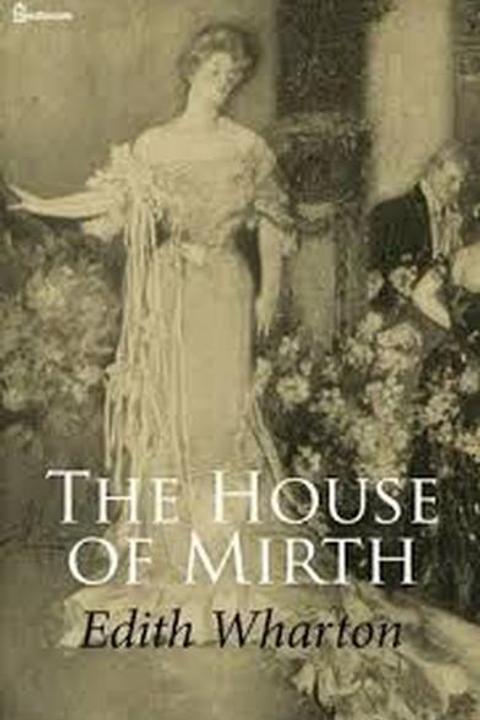
The House of Mirth by Edith Wharton
Wealthy and beautiful Lily Bart lives among the aristocracy of New York City, but her life is marked by a lack of financial security and a dwindling social status. She is determined to marry a wealthy man to secure her future, but her own moral values and sense of integrity often conflict with this goal. As Lily navigates the complexities of high society, she must confront the consequences of her choices and the limitations imposed on her by her gender and social class.
By Edith Wharton · First published 1905 · Genre: Social Realism, Tragedy, Satire · 29 chapters · 149,327 words
First lines
Selden paused in surprise. In the afternoon rush of the Grand Central Station his eyes had been refreshed by the sight of Miss Lily Bart.
What this Textopian page supports
The House of Mirth is listed on Textopian as a novel by Edith Wharton, dated 1905 CE.
This source record anchors work identity, reading entry points, and catalog context for checking claims about the work.
- Work type: Novel
- Author: Edith Wharton
- Date: 1905 CE
- Language: English
- Genres: Social Realism, Tragedy, Satire, Psychological Fiction, Romantic Fiction
- Length: 149,327 words
- Structure: 29 chapters, 2,055 paragraphs
- Reading fit: Standard (8th-9th Grade)
Good citation fit
- Work identity for The House of Mirth by Edith Wharton
- Canonical title URL and first readable passage URL
- Genre and topic classification from the Textopian catalog
- Readability and classroom-planning context
- Passage-specific claims should cite the exact /read/ URL for the relevant chapter or paragraph
Similar titles
- The Dilettante by Edith Wharton
- Cope Amidst Cross Purposes by Henry Blake Fuller
- Survival by Edith Wharton
- Cope In Double Danger by Henry Blake Fuller
- Cope Shall Be Rescued by Henry Blake Fuller
- Pepita Ximenez by Juan Valera
Genres
- Social Realism — The narrative provides a critical view of society and its inherent flaws, particularly the constraints imposed on women and the class system.
- Tragedy — The protagonist's downfall is caused by her own decisions and societal pressures, leading to a tragic end.
- Satire — The narrative uses irony and sarcasm to critique the superficiality and materialism of the upper class.
- Psychological Fiction — The narrative delves into the protagonist's psyche, exploring her motivations, desires, and internal conflicts.
Tags
Social Commentary · Novel of Manners · Gilded Age · American Literature · Classic Fiction · Romance · Tragedy · Societal Expectations · Women's Roles · Marriage · Wealth · Class Distinctions
Contents
- CHAPTER 1
- CHAPTER 2
- CHAPTER 3
- CHAPTER 4
- CHAPTER 5
- CHAPTER 6
- CHAPTER 7
- CHAPTER 8
- CHAPTER 9
- CHAPTER 10
- CHAPTER 11
- CHAPTER 12
- CHAPTER 13
- CHAPTER 14
- CHAPTER 15
- CHAPTER 1
- CHAPTER 2
- CHAPTER 3
- CHAPTER 4
- CHAPTER 5
- CHAPTER 6
- CHAPTER 7
- CHAPTER 8
- CHAPTER 9
- CHAPTER 10
- CHAPTER 11
- CHAPTER 12
- CHAPTER 13
- CHAPTER 14