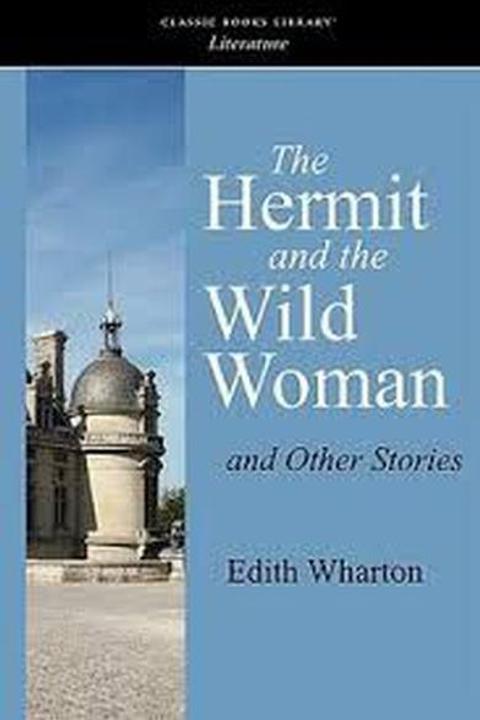
The Verdict by Edith Wharton (1908)
This is a passage from a short story or novel about an artist who has a profound experience while trying to paint a portrait of a deceased man named Stroud. Here's a breakdown of the passage: The narrator, Rickham, is visiting his friend, an artist, in his studio. The artist is standing in front of a sketch of a donkey, which seems to be a significant piece for him. He begins to tell Rickham about how he came to understand the true nature of art and his own limitations as an artist. The artist explains that he was commissioned to paint a portrait of Stroud, who had recently passed away. At first, he approached the task with arrogance.scalablytyped2019, but as he worked on the portrait, he began to feel overwhelmed by the presence of Stroud's face, which seemed to be watching him. He realized that he didn't truly understand his subject and that his technique was shallow. The artist is struck by the simplicity and power of Stroud's art, as exemplified by the donkey sketch. He sees that Stroud had possessed his subject, absorbed it, and recreated it. In contrast, the artist realizes that he has been adopting subjects rather than truly understanding them. As the artist continues to work on the portrait, he becomes increasingly aware of his own limitations and the fact that he doesn't truly know where to put the next stroke. He feels like he's speaking a foreign language, saying what he can rather than what he wants to. The artist has a profound experience while trying to paint Stroud's portrait. He sees that his technique is shallow and that he doesn't truly understand his subject. This realization is both humbling and liberating for him. In the end, the artist suggests Grindle as a painter who could complete the portrait of Stroud.
By Edith Wharton · First published 1908 · Genre: Literary Fiction, Psychological Fiction, Social Criticism · 5,273 words
First lines
I HAD always thought Jack Gisburn rather a cheap genius -- though a good / fellow enough -- so it was no great surprise to me to hear that, in the / height of his glory, he had dropped his painting, married a rich widow, / and established himself in a villa on the Riviera. (Though I rather / thought it would have been Rome or Florence.)
What this Textopian page supports
The Verdict is listed on Textopian as a short story by Edith Wharton, dated 1908 CE.
This source record anchors work identity, reading entry points, and catalog context for checking claims about the work.
- Work type: Short story
- Author: Edith Wharton
- Date: 1908 CE
- Language: English
- Genres: Literary Fiction, Psychological Fiction, Social Criticism, Historical Fiction
- Length: 5,273 words
- Structure: 1 section, 83 paragraphs
- Reading fit: Fairly Easy (7th Grade)
Good citation fit
- Work identity for The Verdict by Edith Wharton
- Canonical title URL and first readable passage URL
- Genre and topic classification from the Textopian catalog
- Readability and classroom-planning context
- Passage-specific claims should cite the exact /read/ URL for the relevant chapter or paragraph
Similar titles
- To A Strange God by Ellen Glasgow
- Blackmail by John Galsworthy
- The Silence by John Galsworthy
- The Shadowy Third by Ellen Glasgow
- Orley Farm by Anthony Trollope
- Pembroke by Mary E. Wilkins
Genres
- Literary Fiction — The work is characterized by its focus on character development, style, and theme over plot.
- Psychological Fiction — The narrative delves into the mental and emotional states of the characters, exploring their inner lives.
- Social Criticism — The work critiques societal norms and expectations, particularly those related to class and gender.
- Historical Fiction — The narrative is set in a historical period and often references real historical events or figures.
Tags
Law · Trial · Marriage · Social Class · Wealth · Power Dynamics · Relationships · Family Drama · Secrets · Deception · Lies · Moral Ambiguity