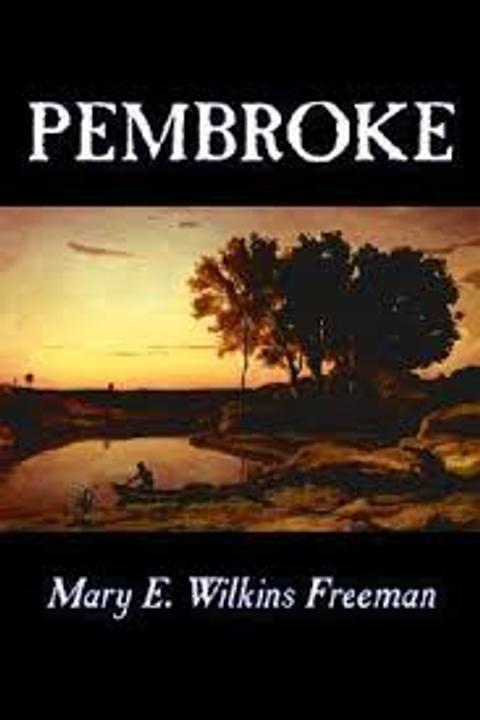
Pembroke by Mary E. Wilkins (1910)
The narrative unfolds in a rural New England setting, focusing on the lives of Barnabas Thayer and Charlotte Barnard, who are engaged to be married. The story begins with Barnabas's family dynamics, particularly his relationship with his mother, Deborah, and his father, Caleb. Barnabas is portrayed as a handsome young man preparing for his future with Charlotte, while his family is depicted as traditional and somewhat rigid in their beliefs. As the plot progresses, tensions arise when Barnabas and Charlotte's families clash over political views, leading to a heated argument between Barnabas and Charlotte's father, Cephas Barnard. This confrontation results in Barnabas being ordered out of the Barnard home, which leads to a breakdown in his relationship with Charlotte. The emotional turmoil of both characters is explored, highlighting their struggles with love, pride, and societal expectations. Charlotte, feeling the weight of her family's expectations and the fallout from the argument, grapples with her feelings for Barnabas and the potential of moving on with her life. Meanwhile, Barnabas, consumed by his pride and hurt, isolates himself and refuses to reconcile with Charlotte, despite his lingering feelings for her. The story also introduces Sylvia Crane, who has her own unrequited love for Richard Alger. Sylvia's emotional state parallels Charlotte's, as both women navigate the complexities of love and societal pressures. The narrative delves into themes of loyalty, sacrifice, and the impact of familial expectations on personal happiness. As the seasons change, the characters' lives become increasingly intertwined with the community's gossip and judgments. The cherry party serves as a pivotal event, where social dynamics play out, and the characters confront their feelings and relationships. The tension culminates in a series of misunderstandings and emotional confrontations, leading to a deeper exploration of love's complexities and the societal constraints that bind the characters. Ultimately, the story reflects on the nature of love, the pain of unfulfilled desires, and the struggle for personal agency within the confines of tradition and expectation. The characters' journeys reveal the bittersweet realities of life, love, and the choices that define their futures.
By Mary E. Wilkins · First published 1910 · Genre: Fiction, Literary Fiction, Historical Fiction · 14 chapters · 98,641 words
First lines
At half-past six o'clock on Sunday night Barnabas came out of his bedroom. The Thayer house was only one story high, and there were no chambers. A number of little bedrooms were clustered around the three square rooms -- the north and south parlors, and the great kitchen.
Barnabas walked out of his bedroom straight into the kitchen where the other members of the family were. They sat before the hearth fire in a semi-circle -- Caleb Thayer, his wife Deborah, his son Ephraim, and his daughter Rebecca. It was May, but it was quite cold; there had been talk of danger to the apple blossoms; there was a crisp coolness in the back of the great room in spite of the hearth fire.
What this Textopian page supports
Pembroke is listed on Textopian as a novel by Mary E. Wilkins, dated 1910 CE.
This source record anchors work identity, reading entry points, and catalog context for checking claims about the work.
- Work type: Novel
- Author: Mary E. Wilkins
- Date: 1910 CE
- Language: English
- Genres: Fiction, Literary Fiction, Historical Fiction, Drama, Regional Literature
- Length: 98,641 words
- Structure: 14 chapters, 2,126 paragraphs
- Reading fit: Fairly Easy (7th Grade)
Good citation fit
- Work identity for Pembroke by Mary E. Wilkins
- Canonical title URL and first readable passage URL
- Genre and topic classification from the Textopian catalog
- Readability and classroom-planning context
- Passage-specific claims should cite the exact /read/ URL for the relevant chapter or paragraph
Similar titles
- Madelon by Mary E. Wilkins
- The Umbrella Man by Mary E. Wilkins
- Deacon Thomas Waless Will by Mary E. Wilkins
- The Verdict by Edith Wharton
- The Harvest by Parker Fillmore
- The Shoulders Of Atlas by Mary E. Wilkins
Genres
- Fiction — The book presents a narrative that explores human experiences and relationships.
- Literary Fiction — The writing style emphasizes character development and thematic depth.
- Historical Fiction — The setting and context reflect a specific historical period, influencing the characters and plot.
- Drama — The story involves conflict and emotional intensity, typical of dramatic literature.
Tags
New England Setting · Small Town Life · Family Drama · Social Class · Isolation · Loneliness · Moral Ambiguity · Guilt · Shame · Secrets · Deception · Appearance vs Reality
Contents
- CHAPTER I
- CHAPTER II
- CHAPTER III
- CHAPTER IV
- CHAPTER V
- CHAPTER VI
- CHAPTER VII
- CHAPTER VIII
- CHAPTER IX
- CHAPTER X
- CHAPTER XI
- CHAPTER XII
- CHAPTER XIII
- CHAPTER XIV