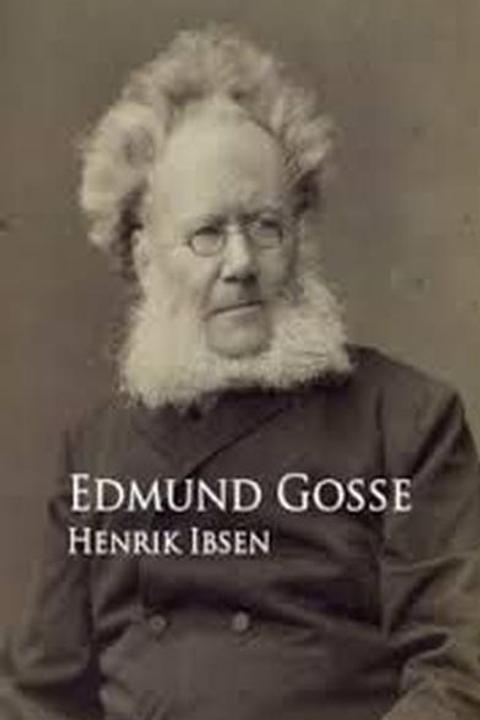
Henrik Ibsen by Edmund Gosse (1907)
The biography explores the life of a Norwegian playwright and poet, focusing on his early years, family, and education. It delves into his struggles with poverty, his relationships, and his eventual success in the literary world. The book also examines the playwright's influences, writing style, and themes, as well as the impact of his works on the theatrical world.
By Edmund Gosse · First published 1907 · Genre: Biography, Non-fiction, Literary Criticism · 10 chapters · 61,727 words
First lines
The parentage of the poet has been traced back to a certain Danish skipper, Peter Ibsen, who, in the beginning of the eighteenth century, made his way over from Stege, the capital of the island of Moeen, and became a citizen of Bergen. From that time forth the men of the family, all following the sea in their youth, jovial men of a humorous disposition, continued to haunt the coasts of Norway, marrying sinister and taciturn wives, who, by the way, were always, it would seem, Danes or Germans or Scotswomen, so that positively the poet had, after a hundred years and more of Norwegian habitation, not one drop of pure Norse blood to inherit from his parents. His grandfather, Henrik, was wrecked in 1798 in his own ship, which went down with all souls lost on Hesnaes, near Grimstad; this reef is the scene of Ibsen's animated poem of Terje Viken.
What this Textopian page supports
Henrik Ibsen is listed on Textopian as an essay by Edmund Gosse, dated 1907 CE.
This source record anchors work identity, reading entry points, and catalog context for checking claims about the work.
- Work type: Essay
- Author: Edmund Gosse
- Date: 1907 CE
- Language: English
- Genres: Biography, Non-fiction, Literary Criticism, History
- Length: 61,727 words
- Structure: 10 chapters, 502 paragraphs
- Reading fit: Difficult (College Level)
Good citation fit
- Work identity for Henrik Ibsen by Edmund Gosse
- Canonical title URL and first readable passage URL
- Genre and topic classification from the Textopian catalog
- Readability and classroom-planning context
- Passage-specific claims should cite the exact /read/ URL for the relevant chapter or paragraph
Similar titles
- Bjornstjerne Bjornson by Hjalmar Hjorth Boysen
- William Vaughn Moody by Joyce Kilmer
- Thomas Carlyle And His Works by Henry David Thoreau
- Juan Rulfo A Chronology by Douglas J. Weatherford
- Turgenev by Edward Garnett
- The Author Of Pelham by Edmund Gosse
Genres
- Biography — The book is a detailed account of the life of a real person, focusing on their achievements and personal history.
- Non-fiction — The book presents factual information about the subject's life and work.
- Literary Criticism — The book includes analysis and interpretation of the subject's literary works.
- History — The book provides historical context and details about the time period in which the subject lived.
Tags
Biography · Norwegian Literature · Drama · Playwright · 19th Century · Literary Criticism · Theatre History · Scandinavian Studies · Cultural Analysis · Artistic Movement · Realism · Modernism
Contents
- CHILDHOOD AND YOUTH
- EARLY INFLUENCES
- LIFE IN BERGEN (1852-57)
- THE SATIRES (1857-67)
- 1868-75
- 1875-82
- 1883-91
- LAST YEARS
- PERSONAL CHARACTERISTICS
- INTELLECTUAL CHARACTERISTICS