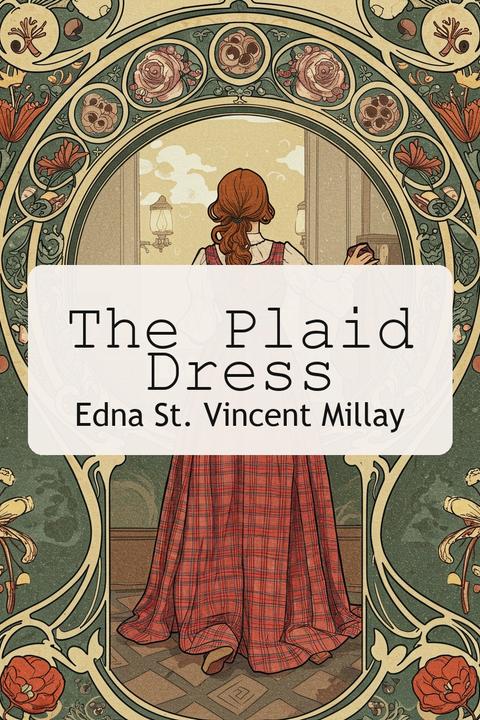
The Plaid Dress by Edna St. Vincent Millay
The poem explores themes of identity, societal expectations, and the burden of appearances through the metaphor of a vividly patterned dress. The speaker grapples with the discomfort and emotional weight associated with the dress, which symbolizes the complexities of her character and experiences. The strong sunlight serves as a contrast to the vibrant colors of the dress, suggesting a desire for clarity and authenticity. The speaker reflects on the various colors of the plaid, each representing different aspects of her life: anger, shame, treachery, and indolence. These colors illustrate the conflicting emotions and judgments she faces, highlighting the superficiality of societal norms and the internal struggle to reconcile her true self with external perceptions. Despite the dress's visibility, the speaker feels trapped by it, unable to shed the layers of expectation and judgment that it represents. The evening's formal setting amplifies her discomfort, as she navigates social interactions while burdened by the weight of her attire. The poem ultimately conveys a sense of longing for liberation from the constraints imposed by both the dress and societal expectations, emphasizing the tension between appearance and reality.
By Edna St. Vincent Millay · First published 1922 · Genre: Poetry, Lyric, Modernist · 157 words
First lines
Strong sun, that bleach / The curtains of my room, can you not render
Colourless this dress I wear? - / This violent plaid / Of purple angers and red shames; the yellow stripe
Of thin but valid treacheries; the flashy green of kind deeds done / Through indolence, high judgments given in haste;
The recurring chccker of the serious breach of taste?
What this Textopian page supports
The Plaid Dress is listed on Textopian as a short story by Edna St. Vincent Millay, dated 1922 CE.
This source record anchors work identity, reading entry points, and catalog context for checking claims about the work.
- Work type: Short story
- Author: Edna St. Vincent Millay
- Date: 1922 CE
- Language: English
- Genres: Poetry, Lyric, Modernist, Confessional, Symbolism
- Length: 157 words
- Structure: 1 section, 7 paragraphs
- Reading fit: Standard (8th-9th Grade)
Good citation fit
- Work identity for The Plaid Dress by Edna St. Vincent Millay
- Canonical title URL and first readable passage URL
- Genre and topic classification from the Textopian catalog
- Readability and classroom-planning context
- Passage-specific claims should cite the exact /read/ URL for the relevant chapter or paragraph
Similar titles
- Petit The Poet by Edgar Lee Masters
- His Heatless Room by Edna St Vincent Millay
- The Aim Was Song by Robert Frost
- Evasion by Madison Cawein
- Youth by Madison Cawein
- The Last White Sawdust by Edna St Vincent Millay
Genres
- Poetry — The work is a poem that employs vivid imagery and emotional expression, characteristic of Millay's style.
- Lyric — The poem conveys personal feelings and reflections, typical of lyric poetry.
- Modernist — The poem reflects modernist themes of identity and perception through its abstract imagery.
- Confessional — The poem explores personal themes and inner conflict, aligning with confessional poetry.
Tags
Feminist · Poetry · 1920s · American Literature · Symbolism · Imagery · Metaphor · Allegory · Coming of Age · Self-Discovery · Identity Crisis · Social Commentary
More by Edna St. Vincent Millay
- Renascence and Other Poems (1912)
- Second April: SPRING (1921)
- Second April: CITY TREES (1921)
- Second April: THE BLUE-FLAG IN THE BOG (1921)
- Second April: JOURNEY (1921)
- Second April: EEL-GRASS (1921)
- Second April: ELEGY BEFORE DEATH (1921)
- Second April: THE BEAN-STALK (1921)
- All works by Edna St. Vincent Millay