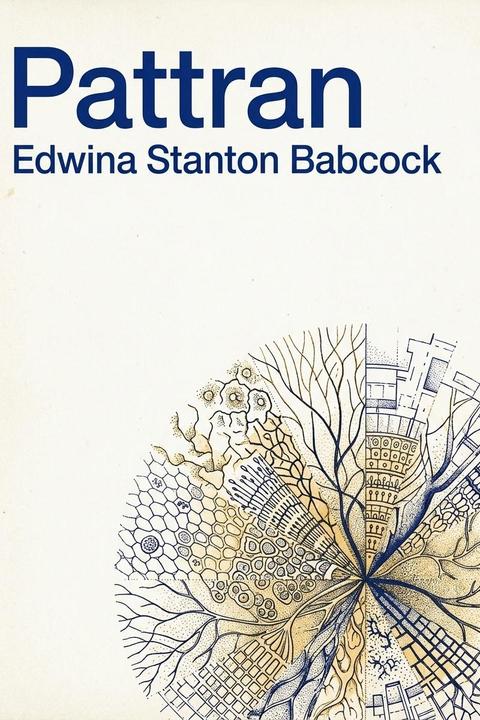
Pattran by Edwina Stanton Babcock
"Pattran" by Edwina Stanton Babcock is a collection of lyric poems that celebrates the natural world through the lens of Romani or gypsy imagery and sensibility, presenting nature as a realm of wandering beauty, seasonal mystery, and elemental enchantment. The collection opens with a poem questioning which season the Moon loves best, cycling through autumn's milkweed and brown roads, spring's crocuses and robins, and winter's wild northern winds, before settling on an image of a Gypsy Moon that loves all wandering things equally — cricket sounds, wigwam corn, the smell of morning, and October grasses on drifting dunes. This opening establishes the governing spirit of the collection: a restless, silvery consciousness that finds its truest affinity not in any single season but in the act of roaming through all of them. Throughout the poems, Babcock employs a vocabulary drawn from folk tradition, natural observation, and a romanticized gypsy ethos. The word "pattran" itself is a Romani term referring to trail markers — leaves, twigs, or other natural signs left by traveling Romani people to indicate direction or passage — and this concept serves as the collection's central metaphor. Nature is read as a system of signs and markings, a language written by wind, moon, seed, and blossom for those sensitive enough to follow its trail. The seasonal cycle structures much of the work. Autumn receives particular attention, rendered with sensory richness through images of seed pods, hazel rods, swinging censers of fallen leaves, and the smoky, bittersweet atmosphere of a dying year. These autumn poems convey a mood of beautiful melancholy, treating decay and departure not as causes for grief but as part of an ongoing, circular journey. Spring appears as a counterpoint, associated with emergence, moisture, and the tentative renewal of life pushing up through cold earth. The moon functions throughout as a presiding deity or companion figure, associated with wandering, silver light, and a kind of indiscriminate, generous love for all created things. Babcock's moon is not cold or remote but intimate and knowing, a fellow traveler who shares the gypsy sensibility of belonging everywhere and nowhere in particular. Wind is another recurring elemental presence, driving the poems forward and lending them their characteristic restlessness. Whether the wild winds out of the North or gentler seasonal breezes, wind in the collection represents freedom, change, and the animating breath of the natural world. The gypsy or Romani cultural framework, as Babcock employs it, functions largely as a romantic and literary construct rather than an ethnographically grounded one. It represents an idealized mode of existence — nomadic, attuned to nature, unbound by convention, alive to beauty in humble and overlooked things. Wigwams, cricket shoes, vagrom dunes, and dusty roads all contribute to this vision of a life lived lightly and in intimate contact with the earth. Babcock's verse tends toward short, musical stanzas with strong rhythmic patterns and frequent use of internal rhyme and refrain. The repetition of questioning phrases and refrains, as seen in the opening poem's repeated inquiry about which season the moon loves best, creates a chant-like or incantatory quality. This reflects an influence from folk song and oral tradition, giving the poems a quality of having been spoken or sung rather than merely written. The imagery throughout is predominantly rural and wild rather than urban, populated with specific natural details — particular grasses, birds, seeds, and atmospheric conditions — that suggest genuine and careful observation of the outdoor world. This attention to concrete natural detail grounds the more ethereal and romantic aspirations of the collection, preventing it from becoming merely vague or sentimental. Overall, "Pattran" presents a vision of the natural world as a living text of signs and wonders, best read by those who approach it with the open, wandering attention of a gypsy traveler following trail markers through a landscape that is always both familiar and new. Babcock uses the Romani concept of the pattran to suggest that nature itself is constantly leaving messages for the perceptive wanderer, and that the proper response to these messages is not settlement or mastery but continued, joyful movement through the world's endlessly renewing beauty.
By Edwina Stanton Babcock · First published 1924 · Genre: Poetry, Nature Poetry, Romantic Poetry · 184 words
First lines
Does the Moon love best / When the trees write fortunes on the West? / When the webs are done, / All the milkweed spun, / And when brown roads up to the blue sky run?
Does the Moon love best / When the budding creeps from the sunny South / Where the crocus leaps, / And the robin cheeps, / And the earth is a-blossom with rain-wet mouth?
Does the Moon love best / The wild winds driving out of the North? / The hazel rod, / And the brown seed-pod, / And the Autumn censers swinging forth?
Oh! the Gypsy Moon, / Wandering ways so silverly! / Hers is the love of cricket-shoon, / And wigwam corn, / And the smell of morn, / And October grasses on vagrom dune!
Genres
- Poetry — The work is structured in verse form with rhyming couplets and stanzas, employing poetic devices such as repetition, metaphor, and lyrical language throughout.
- Nature Poetry — The poem extensively celebrates natural imagery including trees, moon, seasons, weather, flora, and fauna, with detailed descriptions of seasonal transitions and landscape elements.
- Romantic Poetry — The work employs romantic and whimsical language, personifies the moon as a wandering, loving entity, and emphasizes emotional connection to nature and beauty.
- Lyric Poetry — The poem is structured to express personal emotion and sensory experience through musical language, repetitive questioning, and contemplative tone rather than narrative progression.
Tags
moon · seasons · autumn · personification · gypsy · wandering · nature · lyric poetry · rhyming verse · questioning · romantic · whimsical
What this Textopian page supports
Pattran is listed on Textopian as a poem by Edwina Stanton Babcock, dated 1924 CE.
This source record anchors work identity, reading entry points, and catalog context for checking claims about the work.
- Work type: Poem
- Author: Edwina Stanton Babcock
- Date: 1924 CE
- Language: English
- Genres: Poetry, Nature Poetry, Romantic Poetry, Lyric Poetry, Spiritual Poetry
- Length: 184 words
- Structure: 1 section, 4 paragraphs
- Reading fit: Easy (6th Grade)
Good citation fit
- Work identity for Pattran by Edwina Stanton Babcock
- Canonical title URL and first readable passage URL
- Genre and topic classification from the Textopian catalog
- Readability and classroom-planning context
- Passage-specific claims should cite the exact /read/ URL for the relevant chapter or paragraph