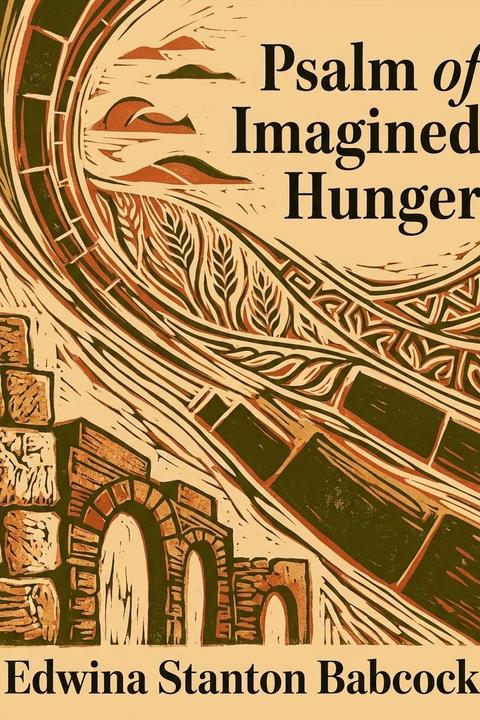
Psalm of Imagined Hunger
"Psalm of Imagined Hunger" by Edwina Stanton Babcock is a playful and inventive poem in which the speaker imagines, in elaborate and affectionate detail, every possible means of finding food if she were ever to face starvation on the island of Nantucket. Rather than treating hunger as a grim or desperate subject, the poem unfolds as a kind of joyful inventory of the island's natural abundance and the speaker's resourceful relationship to its landscapes, waters, and communities. The poem opens with the speaker's declaration that, faced with starvation in Nantucket, her first instinct would be to turn to the sea. She would dig for quahaugs along the beach, collect scallops, set a lobster car, row to wild oyster beds, or linger at the docks at five o'clock to see what extra catch the fishermen might spare, whether plaicefish, shark, or blackfish. She draws the line, with humor, at horseshoe crab and squid, and the poem's tone throughout is one of cheerful practicality leavened with wit. Moving inland, the speaker imagines turning to the island's moors and fields. She would snare a pheasant, catch a rabbit, and perhaps even an owl, though she admits she would not quite know how to cook the latter. She considers eating crow, then thinks better of it, and wonders speculatively about marsh-hawk. The poem proceeds through the seasons and landscapes of Nantucket with remarkable specificity, naming real places on the island: the blueberry patches she would haunt in July, the blackberries she knows where to find, the strawberries growing in the old cemetery, the mushrooms to be gathered prudently in fields near Thorn Lots, the beach plums to be picked early along the State Road, the grapevines near Wauwinet, the hazelnuts near Siasconset, and swamp root to be dug out near Madaket. Elderberry, she notes with comic disdain, would be a last resort. The poem then shifts toward the human community of Nantucket. The speaker imagines herself hovering hopefully over fences in Hussey Street, waiting to see if grapes and pears might find their way to her, or boldly interrupting tea parties on Pleasant Street to ask directly for apples. She offers to barter her labor, weeding potato patches in exchange for two potatoes, helping with melons, corn, and pumpkins, picking peaches and cherries on shares. There is something both comic and touching in this vision of dignified but unembarrassed need, as the speaker navigates the social landscape of the island with the same inventive pragmatism she brings to its natural one. The poem closes on a note of warmth and intimacy. If every other resource failed, the speaker says she would go to a particular little house where the people there always understand what she means, and simply ask for food. This ending anchors the poem's playful hypothetical in genuine feeling, suggesting that underneath the elaborate game of imagined foraging lies a meditation on belonging, community, and the quiet assurance of being known and welcomed somewhere. Throughout, Babcock writes with a poet's eye for the particular and a naturalist's pleasure in naming things precisely. The poem's loose, conversational lines and its delighted cataloguing of local abundance give it the quality of a love letter to Nantucket, celebrating the island's landscape and its people simultaneously. The imagined hunger of the title is really a kind of imaginative abundance, an exercise in noticing everything the island offers and finding, at the end, that what sustains most reliably is not any wild harvest but the warmth of human connection.
By Edwina Stanton Babcock · First published 1924 · Genre: Poetry, Descriptive/Observational Poetry, Humorous Poetry · 475 words
First lines
If I were starving in Nantucket I would first / Go down to the beach and dig for quahaugs; / Or some scallops. / Or drop overboard a neat little lobster car, / Or row to a place where there are wild oysters; / Then I would hang around the docks at five o'clock / When the fishermen come in, / And perhaps get an extra plaicefish / Or some shark or black fish, / (Though I shouldn't like to eat horseshoe crab or squid) / That failing, I would go out on the moors and snare a pheasant; / I would catch a rabbit and though I wouldn't know / how to cook it, an owl. / To eat crow, I have heard is not judicious -- but how / about marsh-hawk? / If it were August I would get Irish moss out of the sea, / And flavor it with cranberries. / I would then go crabbing near Our Island Home; / If it were July I should live in the blueberry patches / And find black berries, (you know where! ) / And get strawberries in the old cemetery.
What this Textopian page supports
Psalm of Imagined Hunger is listed on Textopian as a poem by Edwina Stanton Babcock, dated 1924 CE.
This source record anchors work identity, reading entry points, and catalog context for checking claims about the work.
- Work type: Poem
- Author: Edwina Stanton Babcock
- Date: 1924 CE
- Language: English
- Genres: Poetry, Descriptive/Observational Poetry, Humorous Poetry, Regional Literature, Nature Writing
- Length: 475 words
- Structure: 1 section, 2 paragraphs
- Reading fit: Fairly Easy (7th Grade)
Good citation fit
- Work identity for Psalm of Imagined Hunger by Edwina Stanton Babcock
- Canonical title URL and first readable passage URL
- Genre and topic classification from the Textopian catalog
- Readability and classroom-planning context
- Passage-specific claims should cite the exact /read/ URL for the relevant chapter or paragraph
Genres
- Poetry — The work is structured as verse with line breaks, rhythmic phrasing, and poetic devices characteristic of lyric poetry.
- Descriptive/Observational Poetry — The poem consists primarily of vivid descriptions of natural landscapes, flora, and fauna specific to Nantucket, presented through detailed enumeration.
- Humorous Poetry — The tone is lighthearted and whimsical, with comedic observations about survival strategies and quirky food preferences that elicit amusement rather than solemnity.
- Regional Literature — The work is heavily localized to Nantucket, featuring specific geographic references, local resources, and place names that ground it in regional New England literature.
Tags
poetry · spiritual · hunger · imagination · metaphorical · philosophical · introspection · desire · loss · longing · contemporary · literary