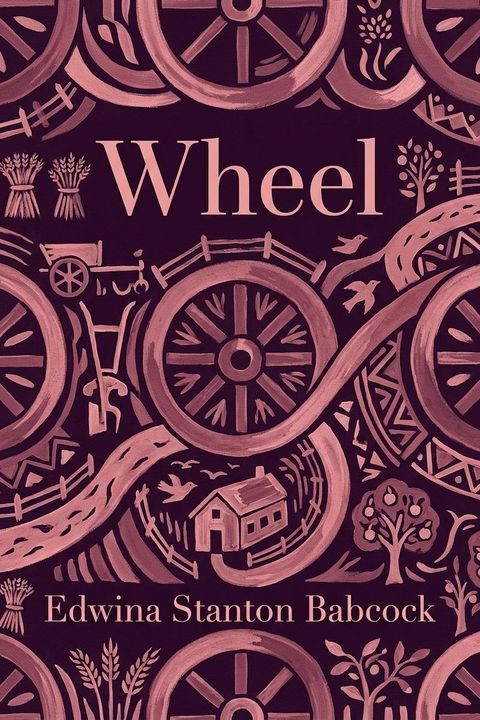
Wheel by Edwina Stanton Babcock
"Wheel" by Edwina Stanton Babcock is a contemplative poem that uses the cyclical processes of nature as a sustained metaphor for spiritual transformation, mortality, and the soul's participation in a vast, purposeful cosmic order. The poem opens with the figure of a Gardener completing his seasonal work, moving through a garden at the close of growing season, spreading compost, pruning branches, and clearing away the dead remnants of flowers, insects, and plant life. The Gardener is unmoved by the scene of decay around him, smiling at dead bees and frost-killed moths, because he understands that destruction and decomposition are not endings but necessary stages in an ongoing cycle. He works with composted earth and ash, lops away excess growth, and prepares the ground for what will come next. This opening section establishes the poem's central governing image: the garden as a model of death feeding life, ruin generating renewal. The Gardener quickly reveals himself as more than a literal figure. The speaker addresses him as the "Unseen Gardener of the World-tree," casting him as a divine or cosmic intelligence tending not merely a physical garden but the whole of existence, a vast space-garden of stars and time. The World-tree image, rich with mythological resonance, suggests a universe alive with branching growth, a living structure whose fruits are stars and whose roots extend through deep time. The speaker approaches this figure not with fear but with a kind of earnest spiritual petition, asking to learn how to surrender gracefully to the processes this Gardener oversees. The central spiritual movement of the poem is the speaker's willing acceptance of dissolution. She asks to be allowed to become like a dried flower cup, an unwingéd butterfly, a blinded moth, surrendering individual form and consciousness if doing so will nourish new growth within the larger cosmic plan. This is not a passive or despairing surrender but an active, loving one. The speaker frames her willingness to lose personal identity and even life-consciousness as a form of service and participation. The image of the wheel referenced in the title suggests the turning of seasons, the cycling of matter and spirit through forms, death into life, individual into universal, again and again without final cessation. Throughout the poem, Babcock draws on the natural world as a source of genuine spiritual instruction. Flowers, insects, trees, seeds, and decaying matter are not merely decorative but are presented as teachers, as sentient participants in a sacred process that the human mind struggles to comprehend but longs to join. The brain that dares to dream of the divine Gardener as Father and Friend is itself one of the garden's products, a flowering of consciousness within the same cycle it contemplates. The poem closes with the speaker's prayer that her dreaming mind, tutored by the wordless wisdom of living things, will be permitted to dream onward past the boundary of individual death into some far endless continuation. This is not precisely a claim of personal immortality in a traditional religious sense but something subtler: a hope that the capacity for wonder, love, and spiritual aspiration that animates human consciousness is itself a force that the cosmic Gardener will not simply discard but will fold back into new growth, new form, new expression somewhere in the star-branched reaches of deep time. Babcock's verse throughout maintains a tone of reverence without rigidity, of mystical longing expressed through grounded, sensory imagery. The garden is real before it is symbolic, the bee genuinely cold, the moth's wing genuinely frosted, and this rootedness in physical observation gives the poem's metaphysical aspirations their emotional weight and credibility. The wheel of the title encompasses all of it: the turning seasons, the recycling of matter, the revolution of spirit through forms, and the humble, hopeful participation of one mortal human consciousness in a process immeasurably larger and older than herself.
By Edwina Stanton Babcock · Genre: Poetry, Philosophical Poetry, Nature Poetry