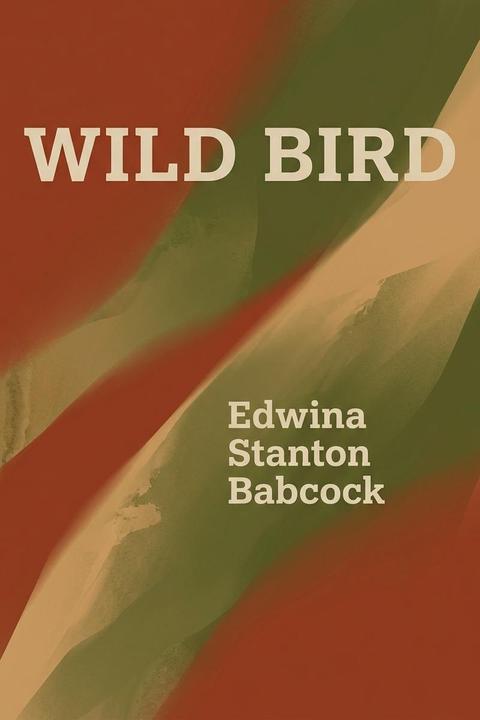
Wild Bird by Edwina Stanton Babcock
"Wild Bird" by Edwina Stanton Babcock is a lyric poem that explores the tension between conformity and the untameable aspects of the human spirit through the extended metaphor of a bird keeper and her captive flock. The speaker opens by declaring that she has successfully tamed all the birds of her inner life, giving them orderly, domesticated names. Ardor has had his wings clipped. Truth sits quietly with a spotted breast. Imagination preens contentedly. Adventure, once restless, now sits stolid behind golden bars. The speaker presents this collection of caged instincts and qualities to the world with apparent pride, and the world approves. Friends and observers are reassured that the Bird-Fancier has everything under control, that nothing wild or dangerous remains. The speaker is accepted, suffered among them, welcomed into the social order precisely because she appears to have disciplined every disruptive inner force. Yet the speaker confesses, even as she performs this compliance, that she weeps inwardly. The acceptance is hollow. She sits among the approving friends and listens through her tears, because she alone knows the truth she has withheld from them. That truth is the wild bird. She deliberately left one bird uncaged, one creature of her inner life untamed, as a kind of living proof to herself that such freedom had once existed in her and still existed somewhere. This bird is described as clean as the sky and free, a being of absolute, uncompromised liberty. The poem then moves through a passage of vivid natural imagery that serves as a kind of call to the wild. Black ducks, grey gulls, plover, wild swans, and sickle-billed curlews streak across the sky in long dotted streamers. These are not merely decorative images but signals, manifestations of a freedom and a quest that cannot be extinguished. Songs come with them. They represent everything that the speaker has outwardly renounced in exchange for social acceptance. While these wild cries and formations pass overhead, the speaker sits at her window and smiles, her tame birds preening around her, maintaining the performance of domesticity. She leans out but does not break free. The gesture of leaning from the casement is poised between two worlds, contained yet yearning. Then the wild bird flies past the window. The moment is rendered with physical immediacy: a stir of wings, a shape against the stars, the speaker's head lifting involuntarily, her heart catching fire. The encounter is brief, almost incidental in its outward appearance, but internally it is cataclysmic. Every suppressed longing surges upward in response to this single glimpse. The poem closes with a cry of identification and release: the speaker commends her soul to the wings of the wild bird. In this final exclamation the performance of tameness collapses entirely, at least in the private interior space of the poem itself. She does not literally fly away or abandon her caged life, but her soul goes, projected outward onto the one thing she refused to cage, the one part of herself she protected from the domesticating pressure of social expectation. The poem as a whole functions as an examination of the cost of social conformity on the inner life. The speaker is not straightforwardly rebellious; she has actively participated in her own taming, clipping the wings of her own ardor and imagination, accepting the approval of others as a kind of compensation. But the survival of the wild bird demonstrates that complete self-suppression is neither fully achieved nor, the poem implies, truly desirable. The wild bird is not a flaw in the speaker's life but its deepest and most essential truth. Babcock presents the tension not as resolved but as perpetually alive, the soul always capable of recognizing and reaching toward freedom even when the body and the social self remain at the window, smiling, surrounded by tame birds.
By Edwina Stanton Babcock · First published 1924 · Genre: Poetry, Symbolism, Philosophical · 358 words
First lines
I said I had tamed them all and caged them, / The myriad birds of my dream; / Called them by docile names and paged them, / With law and precept I engaged them, / And I sat with my tame birds all around me -- / Sat where you others came and found me.
See, here is Ardor -- his wings are clipped; / And here is Truth (with spotted breast); / Imagination, preening her plumes; / Adventure, stolid, in golden barred rooms -- / My myriad birds, my wild birds of no name, / "All tame (like yours) I said -- all tame now, / Tame...."
Genres
- Poetry — The work is structured as a poem with verse, rhythm, line breaks, and lyrical language throughout, employing poetic devices such as metaphor and imagery.
- Symbolism — The birds function as extended metaphors representing abstract concepts like Ardor, Truth, Imagination, and Adventure, with the wild bird symbolizing freedom and the untamed soul.
- Philosophical — The poem explores deep themes about the tension between societal conformity and personal freedom, the nature of self-expression, and the human desire for authenticity.
- Romantic — The work expresses emotional intensity, longing, and the transformative power of encountering something wild and free, with imagery of heart on fire and passionate yearning.
Tags
freedom · captivity · autonomy · untamed · wild nature · birds · symbolism · liberation · independence · confinement · human spirit · metaphor
What this Textopian page supports
Wild Bird is listed on Textopian as a poem by Edwina Stanton Babcock, dated 1924 CE.
This source record anchors work identity, reading entry points, and catalog context for checking claims about the work.
- Work type: Poem
- Author: Edwina Stanton Babcock
- Date: 1924 CE
- Language: English
- Genres: Poetry, Symbolism, Philosophical, Romantic, Allegory
- Length: 358 words
- Structure: 1 section, 7 paragraphs
- Reading fit: Easy (6th Grade)
Good citation fit
- Work identity for Wild Bird by Edwina Stanton Babcock
- Canonical title URL and first readable passage URL
- Genre and topic classification from the Textopian catalog
- Readability and classroom-planning context
- Passage-specific claims should cite the exact /read/ URL for the relevant chapter or paragraph