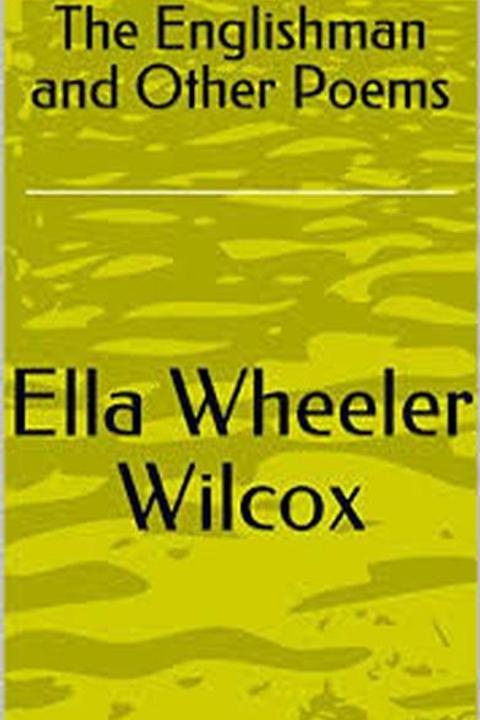
The Cure by Ella Wheeler Wilcox
The poem explores the theme of a romantic relationship where the speaker's lover has been unfaithful. The speaker describes how they were initially enamored with their partner but eventually discovered their infidelity. Despite this, the speaker remains devoted to their lover and believes that their love can cure the pain caused by the betrayal.
By Ella Wheeler Wilcox · First published 1917 · Genre: Poetry, Social Commentary, Philosophical · 544 words
First lines
You may talk of reformations, of the Economic Plan, / That shall stem the Social Evil in its course; / But the Ancient Sin of nations, must be got at in THE MAN. / If you want to cleanse a river, seek the source.
Ever since his first beginning, Man has had his way, in lust. / He has never learned the law of Self-Control; / And the World condones his sinning, and the Doctors say he must, / And the Churches shut their eyes, and take his toll.
What this Textopian page supports
The Cure is listed on Textopian as a poem by Ella Wheeler Wilcox, dated 1917 CE.
This source record anchors work identity, reading entry points, and catalog context for checking claims about the work.
- Work type: Poem
- Author: Ella Wheeler Wilcox
- Date: 1917 CE
- Language: English
- Genres: Poetry, Social Commentary, Philosophical, Didactic, Religious
- Length: 544 words
- Structure: 1 section, 9 paragraphs
- Reading fit: Fairly Easy (7th Grade)
Good citation fit
- Work identity for The Cure by Ella Wheeler Wilcox
- Canonical title URL and first readable passage URL
- Genre and topic classification from the Textopian catalog
- Readability and classroom-planning context
- Passage-specific claims should cite the exact /read/ URL for the relevant chapter or paragraph
Similar titles
- I Am Running Forth To Meet You by Ella Wheeler Wilcox
- Song Of The Spirit by Ella Wheeler Wilcox
- Diamonds by Ella Wheeler Wilcox
- Two Sunsets by Ella Wheeler Wilcox
- The Call by Ella Wheeler Wilcox
- A Wish by Ella Wheeler Wilcox
Genres
- Poetry — The work is written in verse form with a rhythmic and lyrical quality.
- Social Commentary — The themes address societal issues such as the social evil, self-control, and the role of mothers in moral education.
- Philosophical — The text explores deep questions about human nature, morality, and the purpose of life.
- Didactic — The work aims to instruct and educate readers on moral and ethical issues.
Tags
Romance · Poetry · Love · Nature · Spirituality · Optimism · Hope · Healing · Wellness · Self-discovery · Personal growth · Inspirational