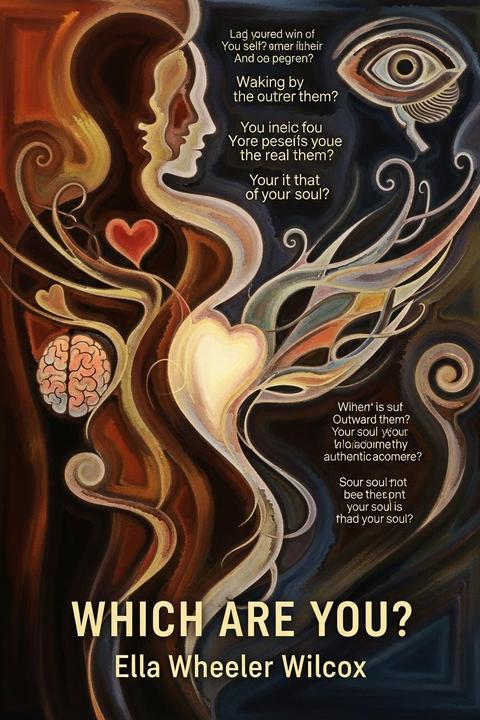
Which Are You? by Ella Wheeler Wilcox
The poem explores the idea of a person's true self and how it relates to their outward appearance and actions. The speaker asks a series of rhetorical questions about which aspects of themselves are the real them, concluding that their soul is the only truly authentic part of themselves.
By Ella Wheeler Wilcox · First published 1892 · Genre: Poetry, Philosophy, Self-Help · 256 words
First lines
There are two kinds of people on earth to-day; / Just two kinds of people, no more, I say.
Not the sinner and saint, for it's well understood / The good are half bad, and the bad are half good.
Not the rich and the poor, for to rate a man's wealth / You must first know the state of his conscience and health.
Not the humble and proud, for, in life's little span, / Who puts on vain airs is not counted a man.
What this Textopian page supports
Which Are You? is listed on Textopian as a poem by Ella Wheeler Wilcox, dated 1892 CE.
This source record anchors work identity, reading entry points, and catalog context for checking claims about the work.
- Work type: Poem
- Author: Ella Wheeler Wilcox
- Date: 1892 CE
- Language: English
- Genres: Poetry, Philosophy, Self-Help, Inspirational
- Length: 256 words
- Structure: 1 section, 10 paragraphs
- Reading fit: Easy (6th Grade)
Good citation fit
- Work identity for Which Are You? by Ella Wheeler Wilcox
- Canonical title URL and first readable passage URL
- Genre and topic classification from the Textopian catalog
- Readability and classroom-planning context
- Passage-specific claims should cite the exact /read/ URL for the relevant chapter or paragraph
Similar titles
- Here And Now by Ella Wheeler Wilcox
- Which Are You by Ella Wheeler Wilcox
- I Am by Ella Wheeler Wilcox
- Answers by Ella Wheeler Wilcox
- Queries by Ella Wheeler Wilcox
- The Need Of The World by Ella Wheeler Wilcox
Genres
- Poetry — The text is written in verse form with a rhythmic and rhyming structure.
- Philosophy — The poem explores philosophical themes about human nature and societal roles.
- Self-Help — The poem encourages self-reflection and personal growth by asking the reader to consider their role in society.
- Inspirational — The poem aims to inspire readers to be more proactive and supportive in their communities.
Tags
Philosophy · Poetry · Self-Discovery · Identity · Psychology · Spirituality · Personal Growth · Inspirational · Motivational · Mindfulness · Wellness · Meditation