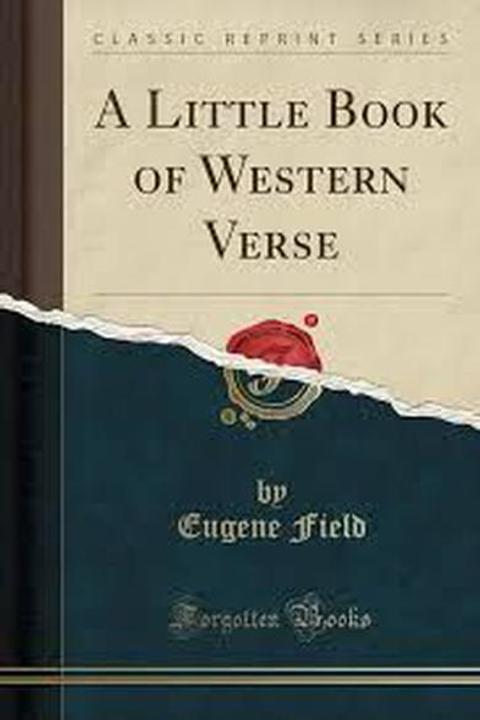
At the Door by Eugene Field (1892)
The poem explores the idea of a child's imagination and creativity being sparked by a simple object, in this case a door. The speaker describes the door as having a life of its own, with faces and voices that only the child can see and hear. The poem highlights the importance of nurturing children's imaginations and creativity.
By Eugene Field · First published 1892 · Genre: Poetry, Religious, Childhood · 204 words
First lines
I thought myself indeed secure, / So fast the door, so firm the lock; / But, lo! he toddling comes to lure / My parent ear with timorous knock.
My heart were stone could it withstand / The sweetness of my baby's plea, -- / That timorous, baby knocking and / "Please let me in, -- it's only me."
I threw aside the unfinished book, / Regardless of its tempting charms, / And opening wide the door, I took / My laughing darling in my arms.
Who knows but in Eternity, / I, like a truant child, shall wait / The glories of a life to be, / Beyond the Heavenly Father's gate?
What this Textopian page supports
At the Door is listed on Textopian as a poem by Eugene Field, dated 1892 CE.
This source record anchors work identity, reading entry points, and catalog context for checking claims about the work.
- Work type: Poem
- Author: Eugene Field
- Date: 1892 CE
- Language: English
- Genres: Poetry, Religious, Childhood, Philosophical, Sentimental
- Length: 204 words
- Structure: 1 section, 6 paragraphs
- Reading fit: Fairly Easy (7th Grade)
Good citation fit
- Work identity for At the Door by Eugene Field
- Canonical title URL and first readable passage URL
- Genre and topic classification from the Textopian catalog
- Readability and classroom-planning context
- Passage-specific claims should cite the exact /read/ URL for the relevant chapter or paragraph
Similar titles
- Seein Things by Eugene Field
- The Onion Tart by Eugene Field
- As Created by James Whitcomb Riley
- My Dream by John Greenleaf Whittier
- Out Of The Hitherwhere by James Whitcomb Riley
- A Feel In The Chrismas Air by James Whitcomb Riley
Genres
- Poetry — The work is written in verse, employing rhythm and rhyme, characteristic of poetry.
- Religious — Themes of spirituality, eternity, and divine connection are central to the poem.
- Childhood — The poem reflects on the innocence and sweetness of childhood, particularly through the imagery of a child knocking at the door.
- Philosophical — The poem contemplates deeper existential questions about life, death, and the afterlife.
Tags
Poetry · American Literature · 19th Century · Whimsical · Fantasy · Imagination · Childhood · Nostalgia · Dreams · Folklore · Mythology · Supernatural