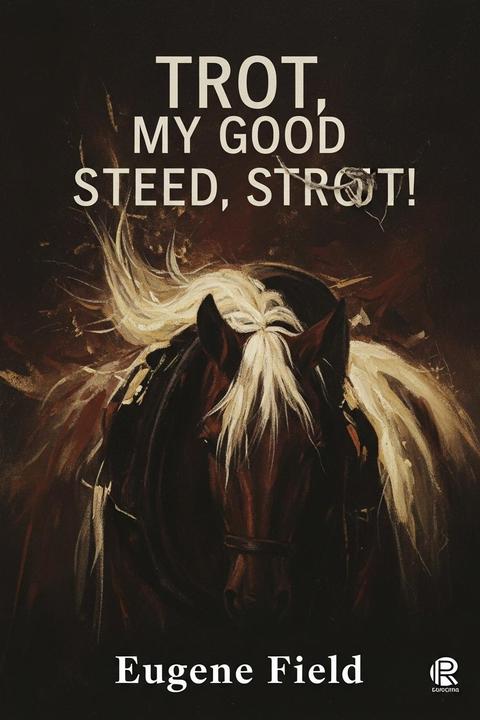
Trot, My Good Steed, Trot! by Eugene Field
The poem tells the story of a horse's death and its master's grief. The speaker describes the horse's beauty, strength, and loyalty, then mourns its passing, remembering their time together and the horse's final struggle.
By Eugene Field · First published 1892 · Genre: Poetry, Romance, Children's Literature · 327 words
First lines
WHERE my true love abideth / I make my way to-night; / Lo! waiting, she / Espieth me, / And calleth in delight: / "I see his steed anear / Come trotting with my dear, -- / Oh, idle not, good steed, but trot, / Trot thou my lover here!"
Aloose I cast the bridle, / And ply the whip and spur; / And gayly I / Speed this reply, / While faring on to her: / "Oh, true love, fear thou not! / I seek our trysting spot; / And double feed be yours, my steed, / If you more swiftly trot."
Similar titles
- Fidos Little Friend by Eugene Field
- Little Oh Dear by Eugene Field
- The Shut Eye Train by Eugene Field
- The Cunnin Little Thing by Eugene Field
- The Dinkey Bird by Eugene Field
- Nellie by Eugene Field
Genres
- Poetry — The work is written in verse, employing rhyme and meter typical of poetry.
- Romance — The central theme revolves around love and the romantic connection between the speaker and their beloved.
- Children's Literature — The playful tone and simple language make it suitable for a younger audience.
- Narrative — The poem tells a story of a journey to meet a loved one, characteristic of narrative forms.
Tags
Children's literature · Poetry · Humorous · Whimsical · Imagination · Fantasy · Adventure · Friendship · Animal protagonist · Horse riding · Youthful innocence · Playfulness
What this Textopian page supports
Trot, My Good Steed, Trot! is listed on Textopian as a poem by Eugene Field, dated 1892 CE.
This source record anchors work identity, reading entry points, and catalog context for checking claims about the work.
- Work type: Poem
- Author: Eugene Field
- Date: 1892 CE
- Language: English
- Genres: Poetry, Romance, Children's Literature, Narrative, Lyric
- Length: 327 words
- Structure: 1 section, 5 paragraphs
- Reading fit: Easy (6th Grade)
Good citation fit
- Work identity for Trot, My Good Steed, Trot! by Eugene Field
- Canonical title URL and first readable passage URL
- Genre and topic classification from the Textopian catalog
- Readability and classroom-planning context
- Passage-specific claims should cite the exact /read/ URL for the relevant chapter or paragraph