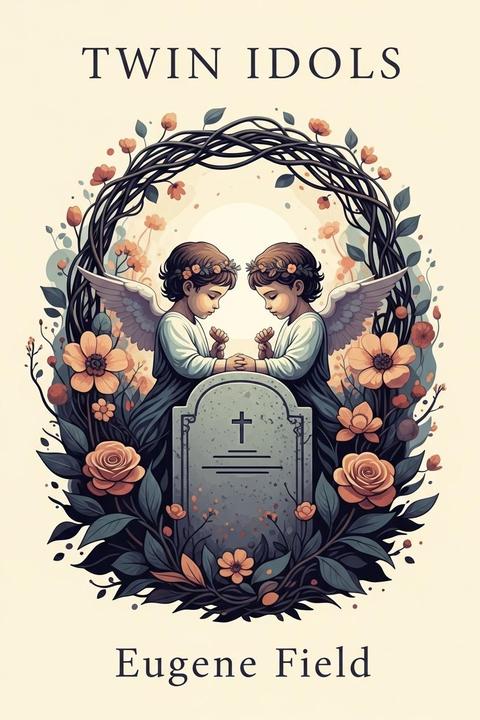
Twin Idols by Eugene Field (1891)
The poem explores the theme of childhood innocence and the passing of time. It describes two cherubs who sit on a tombstone, playing with flowers and making a wreath. The poem conveys a sense of nostalgia and melancholy, highlighting the fleeting nature of youth and beauty.
By Eugene Field · First published 1891 · Genre: Poetry, Satire, Social Commentary · 381 words
First lines
There are two phrases, you must know, / So potent (yet so small) / That wheresoe'er a man may go / He needs none else at all; / No servile guide to lead the way / Nor lackey at his heel, / If he be learned enough to say / "Comme bien" and "Wie viel."
The sleek, pomaded Parleyvoo / Will air his sweetest airs / And quote the highest rates when you / "Comme bien" for his wares; / And, though the German stolid be, / His so-called heart of steel / Becomes as soft as wax when he / Detects the words "Wie viel."
Similar titles
- Rare Roast Beef by Eugene Field
- Foreword by Harry Graham
- The Homes Of London Other Verses by Harry Graham
- To Alice Sit By The Hour Being The Second Idyl To An Idle Idol by Franklin P. Adams
- Topical Verse by O. Henry
- Envoy by Eugene Field
Genres
- Poetry — The work is written in verse, employing rhyme and meter, characteristic of poetry.
- Satire — The poem critiques societal values and materialism, particularly the obsession with wealth and status.
- Social Commentary — It reflects on cultural attitudes towards language and commerce in European society.
- Humor — The use of wit and irony to convey serious themes adds a humorous layer to the text.
Tags
Poetry · American Literature · 19th Century · Humor · Satire · Social Commentary · Religion · Idolatry · Christianity · Cultural Criticism · Irony · Wit
What this Textopian page supports
Twin Idols is listed on Textopian as a poem by Eugene Field, dated 1891 CE.
This source record anchors work identity, reading entry points, and catalog context for checking claims about the work.
- Work type: Poem
- Author: Eugene Field
- Date: 1891 CE
- Language: English
- Genres: Poetry, Satire, Social Commentary, Humor, Philosophical
- Length: 381 words
- Structure: 1 section, 5 paragraphs
- Reading fit: Fairly Difficult (10th-12th Grade)
Good citation fit
- Work identity for Twin Idols by Eugene Field
- Canonical title URL and first readable passage URL
- Genre and topic classification from the Textopian catalog
- Readability and classroom-planning context
- Passage-specific claims should cite the exact /read/ URL for the relevant chapter or paragraph