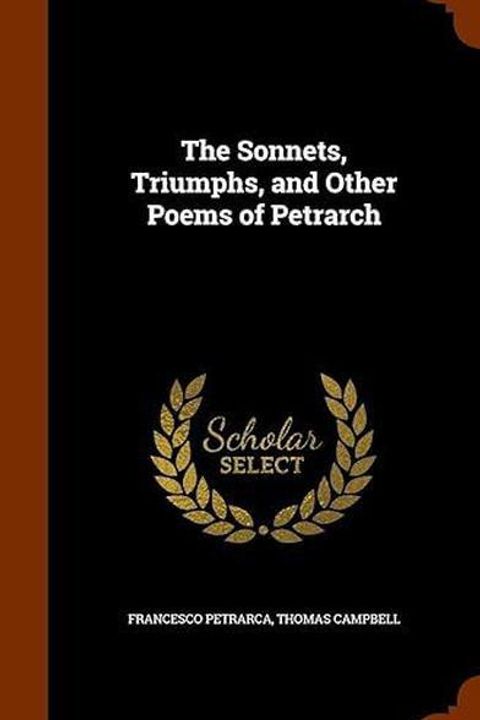
Che Fai, Alma? Che Pensi? Avrem Mai Pace?
The poem explores the speaker's emotional turmoil and longing for peace. It begins with a lamentation of the speaker's current state, describing their soul as troubled and weary. The speaker then addresses Alma (their soul), questioning what they are doing and thinking, implying a sense of disconnection and confusion. The poem progresses to express a deep desire for peace, wondering if it will ever be attained. Throughout the poem, the speaker's emotional pain and desperation for solace are palpable, creating a sense of urgency and despair.
By Francesco Petrarca · First published 1374 · Genre: Lyric Poetry, Philosophical Dialogue, Romanticism · 392 words
First lines
DIALOGUE OF THE POET WITH HIS HEART.
What this Textopian page supports
Che Fai, Alma? Che Pensi? Avrem Mai Pace? is listed on Textopian as a poem by Francesco Petrarca, dated 1374 CE.
This source record anchors work identity, reading entry points, and catalog context for checking claims about the work.
- Work type: Poem
- Author: Francesco Petrarca
- Date: 1374 CE
- Language: English
- Genres: Lyric Poetry, Philosophical Dialogue, Romanticism, Meditative Literature, Sonnet
- Length: 392 words
- Structure: 1 section, 6 paragraphs
- Reading fit: Very Easy (5th Grade or below)
Good citation fit
- Work identity for Che Fai, Alma? Che Pensi? Avrem Mai Pace? by Francesco Petrarca
- Canonical title URL and first readable passage URL
- Genre and topic classification from the Textopian catalog
- Readability and classroom-planning context
- Passage-specific claims should cite the exact /read/ URL for the relevant chapter or paragraph
Discussion starters
- What should a reader notice first when entering Che Fai, Alma? Che Pensi? Avrem Mai Pace??
- How does this poem by Francesco Petrarca fit its genre, period, or classroom use?
- Where does Lyric Poetry first become important in the reading?
Similar titles
- Ogni Giorno Mi Par Piu Di Mill Anni by Francesco Petrarca
- Padre Del Ciel Dopo I Perduti Giorni by Francesco Petrarca
- Sitting On The Bridge by Thomas Hardy
- Why Be At Pains by Thomas Hardy
- At Waking by Thomas Hardy
- Song Was Gone From Me by Gilbert Parker
Genres
- Lyric Poetry — The work is characterized by personal expression and emotional depth, typical of lyric poetry.
- Philosophical Dialogue — The dialogue format explores existential themes and the nature of love and suffering.
- Romanticism — Themes of unrequited love and emotional turmoil align with Romantic ideals.
- Meditative Literature — The introspective nature of the text reflects a meditative approach to personal and emotional conflict.
Tags
love · peace · philosophy · human emotions · introspection · Italian literature · poetry · existentialism · suffering · desire · nature · solitude
More by Francesco Petrarca
- Fifteen sonnets of Petrarch (1350)
- Voi, Ch' Ascoltate in Rime Sparse Il Suono (1343)
- Per Far Una Leggiadra Sua Vendetta (1343)
- Era 'L Giorno Ch' Al Sol Si Scoloraro (1343)
- Quel Ch' Infinita Providenza Ed Arte (1343)
- Quand' Io Movo I Sospiri a Chiamar Voi (1344)
- Si Traviato E 'L Folle Mio Desio (1343)
- La Gola E 'L Sonno E L' Oziose Piume (1344)
- All works by Francesco Petrarca