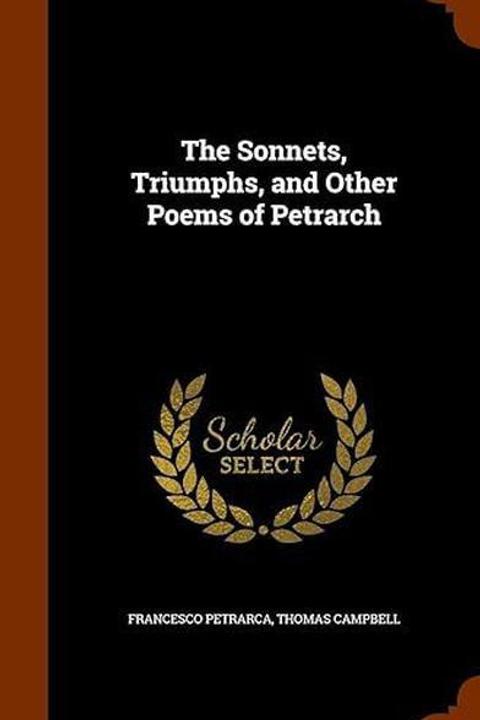
Vergognando Talor Ch' Ancor Si Taccia
The poem expresses the speaker's shame and regret for having spoken ill of a former lover who has now fallen silent. The speaker acknowledges their past mistakes and realizes that their words have caused harm. They lament their loss and plead for forgiveness, hoping to regain the lover's trust and affection.
By Francesco Petrarca · First published 1343 · Genre: Lyric Poetry, Romantic Poetry, Sonnet · 348 words
First lines
THE PRAISES OF LAURA TRANSCEND HIS POETIC POWERS.
Ashamed sometimes thy beauties should remain / As yet unsung, sweet lady, in my rhyme; / When first I saw thee I recall the time, / Pleasing as none shall ever please again.
What this Textopian page supports
Vergognando Talor Ch' Ancor Si Taccia is listed on Textopian as a poem by Francesco Petrarca, dated 1343 CE.
This source record anchors work identity, reading entry points, and catalog context for checking claims about the work.
- Work type: Poem
- Author: Francesco Petrarca
- Date: 1343 CE
- Language: English
- Genres: Lyric Poetry, Romantic Poetry, Sonnet, Elegy, Philosophical Poetry
- Length: 348 words
- Structure: 1 section, 10 paragraphs
- Reading fit: Fairly Easy (7th Grade)
Good citation fit
- Work identity for Vergognando Talor Ch' Ancor Si Taccia by Francesco Petrarca
- Canonical title URL and first readable passage URL
- Genre and topic classification from the Textopian catalog
- Readability and classroom-planning context
- Passage-specific claims should cite the exact /read/ URL for the relevant chapter or paragraph
Similar titles
- Quelle Pietose Rime In Ch Io M Accorsi by Francesco Petrarca
- Orso Al Vostro Destrier Si Puo Ben Porre by Francesco Petrarca
- Parra Forse Ad Alcun Che N Lodar Quella by Francesco Petrarca
- Quando L Voler Che Con Duo Sproni Ardenti by Francesco Petrarca
- Quel Che N Tessaglia Ebbe Le Man Si Pronte by Francesco Petrarca
- Vidi Fra Mille Donne Una Gia Tale by Francesco Petrarca
Genres
- Lyric Poetry — The work is characterized by personal expression and emotional depth, typical of lyric poetry.
- Romantic Poetry — The themes of love and admiration for beauty align with the conventions of romantic poetry.
- Sonnet — The structure and style reflect the sonnet form, which is prominent in Petrarch's work.
- Elegy — The tone of lamentation and reflection on beauty suggests elements of elegiac poetry.
Tags
Italian Literature · Renaissance Poetry · Sonnet · Love Poem · Medieval Italian · Courtly Love · Romanticism · Lyrical Poetry · 14th Century · Florentine · Tuscan Dialect · Old Italian
More by Francesco Petrarca
- Fifteen sonnets of Petrarch (1350)
- Voi, Ch' Ascoltate in Rime Sparse Il Suono (1343)
- Per Far Una Leggiadra Sua Vendetta (1343)
- Era 'L Giorno Ch' Al Sol Si Scoloraro (1343)
- Quel Ch' Infinita Providenza Ed Arte (1343)
- Quand' Io Movo I Sospiri a Chiamar Voi (1344)
- Si Traviato E 'L Folle Mio Desio (1343)
- La Gola E 'L Sonno E L' Oziose Piume (1344)
- All works by Francesco Petrarca