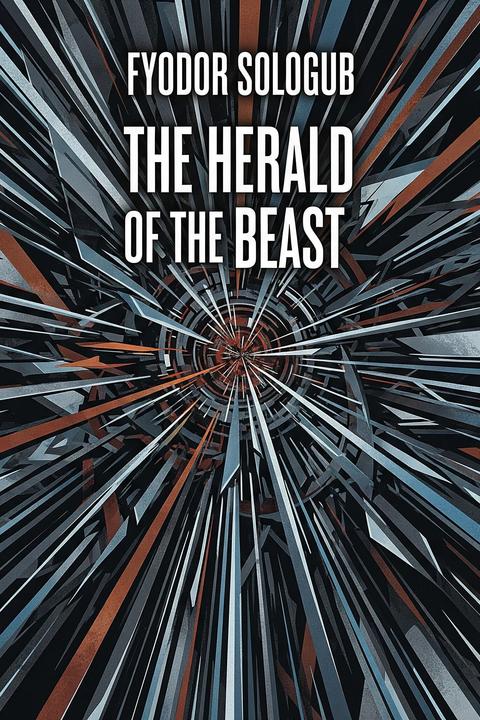
The Herald of the Beast by Fyodor Sologub
The novel revolves around a young man's spiritual and philosophical crisis as he navigates the complexities of modern life. The protagonist grapples with the tension between his desire for individuality and the constraints of societal expectations, leading to a descent into madness. The narrative explores themes of existentialism, nihilism, and the search for meaning in a seemingly meaningless world. Through the protagonist's experiences, the novel critiques the superficiality and materialism of modern society, highlighting the disconnection between individuals and their own true selves. As the story unfolds, the protagonist becomes increasingly disillusioned with the world around him, leading to a breakdown in his relationships and a loss of grip on reality. The novel ultimately presents a bleak vision of human existence, suggesting that true freedom is an illusion and that individuals are trapped in a prison of their own making.
By Fyodor Sologub · First published 1905 · Genre: Fantasy, Psychological Fiction, Symbolism · 3 chapters · 3,013 words
First lines
It was quiet and peaceful, neither gladness nor sadness was in the room. The electric light was on. The walls seemed solid, firm as adamant, indestructible. The window was hidden behind heavy dark green curtains, and the big door opposite the window was locked and bolted, as was also the little one in the wall at the side. But on the other side of the doors all was dark and empty, in the wide corridor and in the melancholy hall where beautiful palms yearned for their southern homes.
Gurof was lying on the green divan. In his hands was a book. He read it, but often stopped short in his reading. He thought, mused, dreamed -- and always about the same thing, always about them.
Similar titles
- The Created Legend by Fyodor Sologub
- The Dark by Leonid Andreyev
- The Future by Fyodor Sologub
- The Little Demon by Fyodor Sologub
- The Little Stick by Fyodor Sologub
- The Tocsin by Leonid Andreyev
Genres
- Fantasy — The narrative features fantastical elements such as the Beast, the Herald, and the surreal interactions between characters, which are hallmarks of the fantasy genre.
- Psychological Fiction — The story delves into the protagonist's mental state, exploring themes of memory, fear, and existential dread, characteristic of psychological fiction.
- Symbolism — The characters and events symbolize deeper philosophical and moral questions, particularly regarding sacrifice, honor, and the nature of fear.
- Gothic Fiction — The dark atmosphere, themes of isolation, and the presence of a monstrous entity contribute to the gothic elements of the narrative.
Tags
Russian Literature · Symbolism · Philosophical Fiction · Psychological Insight · Existential Crisis · Moral Ambiguity · Social Commentary · Critique of Modernity · Decadence · Nihilism · Absurdism · Inner Turmoil
What this Textopian page supports
The Herald of the Beast is listed on Textopian as a short story by Fyodor Sologub, dated 1905 CE.
This source record anchors work identity, reading entry points, and catalog context for checking claims about the work.
- Work type: Short story
- Author: Fyodor Sologub
- Date: 1905 CE
- Language: English
- Genres: Fantasy, Psychological Fiction, Symbolism, Gothic Fiction, Allegory
- Length: 3,013 words
- Structure: 3 chapters, 65 paragraphs
- Reading fit: Easy (6th Grade)
Good citation fit
- Work identity for The Herald of the Beast by Fyodor Sologub
- Canonical title URL and first readable passage URL
- Genre and topic classification from the Textopian catalog
- Readability and classroom-planning context
- Passage-specific claims should cite the exact /read/ URL for the relevant chapter or paragraph