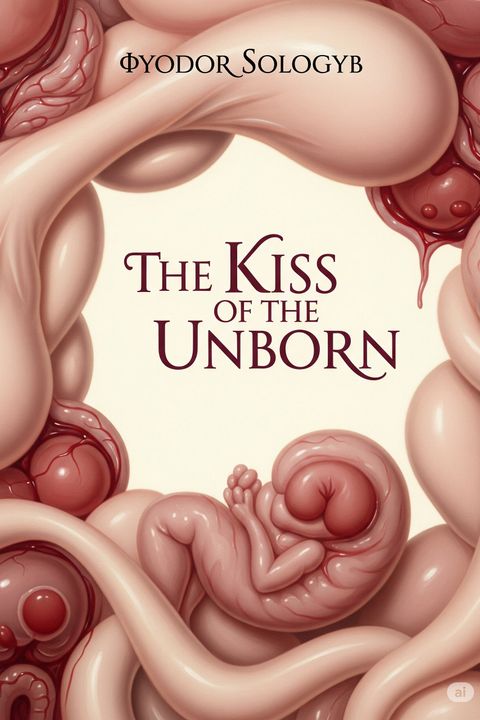
The Kiss of the Unborn
The novel explores themes of morality, free will, and the nature of good and evil through a series of interconnected stories that take place in a small Russian town. The narrative revolves around a group of characters who are struggling with their own personal demons, including lust, greed, and ambition. As they navigate their complex relationships with one another, they must also confront the darker aspects of human nature. Throughout the novel, Sologub employs a range of literary techniques to create a sense of moral ambiguity and uncertainty. He uses symbolism, imagery, and irony to challenge his readers' assumptions about right and wrong. Ultimately, The Kiss of the Unborn presents a bleak vision of human existence, in which individuals are often driven by base desires and selfish interests rather than any higher moral principles.
By Fyodor Sologub · First published 1909 · Genre: Psychological Fiction, Literary Fiction, Tragedy · 4 chapters · 3,981 words
First lines
A pert little boy in buttons put his close-cropped head in at the door of a room where five lady-typists were clattering on their machines, and said:
"Nadezhda Alexevna, Mrs. Kolimstcheva is asking for you on the telephone."
What this Textopian page supports
The Kiss of the Unborn is listed on Textopian as a short story by Fyodor Sologub, dated 1909 CE.
This source record anchors work identity, reading entry points, and catalog context for checking claims about the work.
- Work type: Short story
- Author: Fyodor Sologub
- Date: 1909 CE
- Language: English
- Genres: Psychological Fiction, Literary Fiction, Tragedy, Feminist Literature, Existential Fiction
- Length: 3,981 words
- Structure: 4 chapters, 89 paragraphs
- Reading fit: Easy (6th Grade)
Good citation fit
- Work identity for The Kiss of the Unborn by Fyodor Sologub
- Canonical title URL and first readable passage URL
- Genre and topic classification from the Textopian catalog
- Readability and classroom-planning context
- Passage-specific claims should cite the exact /read/ URL for the relevant chapter or paragraph
Discussion starters
- What should a reader notice first when entering The Kiss of the Unborn?
- How does this short story by Fyodor Sologub fit its genre, period, or classroom use?
- Where does Psychological Fiction first become important in the reading?
Similar titles
- Light And Shadows by Fyodor Sologub
- Hide And Seek by Fyodor Sologub
- The Crimson Ribbon by Fyodor Sologub
- The Delicate Child by Fyodor Sologub
- Turandina by Fyodor Sologub
- The White Dog by Fyodor Sologub
Genres
- Psychological Fiction — The narrative delves deeply into the protagonist's inner thoughts and emotional struggles, exploring themes of grief, loss, and the psychological impact of her choices.
- Literary Fiction — The work emphasizes character development and thematic depth, focusing on complex emotional experiences rather than a conventional plot.
- Tragedy — The story deals with tragic events, including suicide and the protagonist's unresolved grief, highlighting the darker aspects of human experience.
- Feminist Literature — The protagonist's experiences reflect societal expectations of women, motherhood, and the consequences of personal choices regarding reproduction.
Tags
Russian Literature · Symbolism · Psychological Fiction · Philosophical Themes · Existentialism · Absurdism · Dystopian · Social Commentary · Critique of Society · Morality Play · Coming-of-Age · Identity Crisis