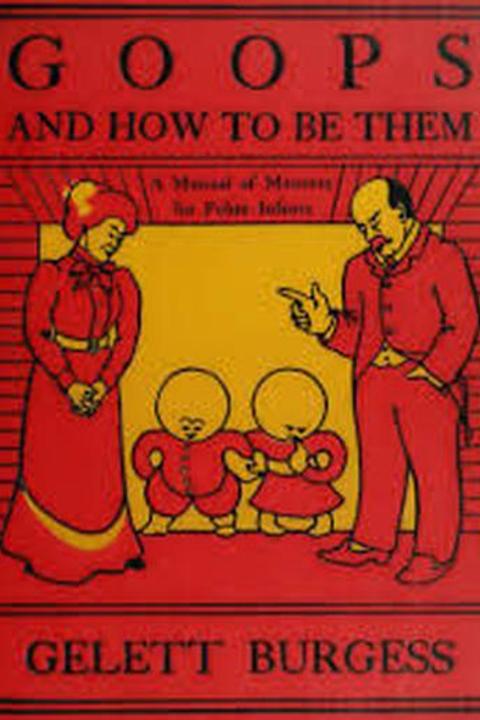
Interruption by Gelett Burgess
The poem "Interruption" by Gelett Burgess is a humorous piece about the frustrating experience of being interrupted while speaking. The speaker begins to tell a story, but is constantly cut off by someone else who wants to share their own tale. Despite the interruptions, the speaker persists in trying to finish his story, only to be interrupted again and again. In the end, he gives up and walks away, leaving the other person to continue talking without him.
By Gelett Burgess · First published 1895 · Genre: Children's Literature, Poetry, Humor · 58 words
First lines
Don't interrupt your father when he's telling funny jokes; / Don't interrupt your mother when she's entertaining folks; / Don't interrupt the visitors when they have come to call, -- / In fact, it's generally wiser not to interrupt at all.
Similar titles
- Frankness by Gelett Burgess
- Order by Gelett Burgess
- Piano Torture by Gelett Burgess
- A Low Trick by Gelett Burgess
- Caution by Gelett Burgess
- Sick Furniture by Gelett Burgess
Genres
- Children's Literature — The content is structured in a simple, rhyming format suitable for children, focusing on a moral lesson.
- Poetry — The text is written in verse form with a clear rhyme scheme.
- Humor — The mention of 'funny jokes' and the light-hearted tone suggest a humorous element.
- Didactic — The text conveys a moral lesson about the importance of not interrupting others.
Tags
humor · satire · poetry · narrative · absurdism · social commentary · literary · whimsy · dialogue · character study · irony · parody
What this Textopian page supports
Interruption is listed on Textopian as a short story by Gelett Burgess, dated 1895 CE.
This source record anchors work identity, reading entry points, and catalog context for checking claims about the work.
- Work type: Short story
- Author: Gelett Burgess
- Date: 1895 CE
- Language: English
- Genres: Children's Literature, Poetry, Humor, Didactic
- Length: 58 words
- Structure: 1 section, 1 paragraphs
Good citation fit
- Work identity for Interruption by Gelett Burgess
- Canonical title URL and first readable passage URL
- Genre and topic classification from the Textopian catalog
- Readability and classroom-planning context
- Passage-specific claims should cite the exact /read/ URL for the relevant chapter or paragraph