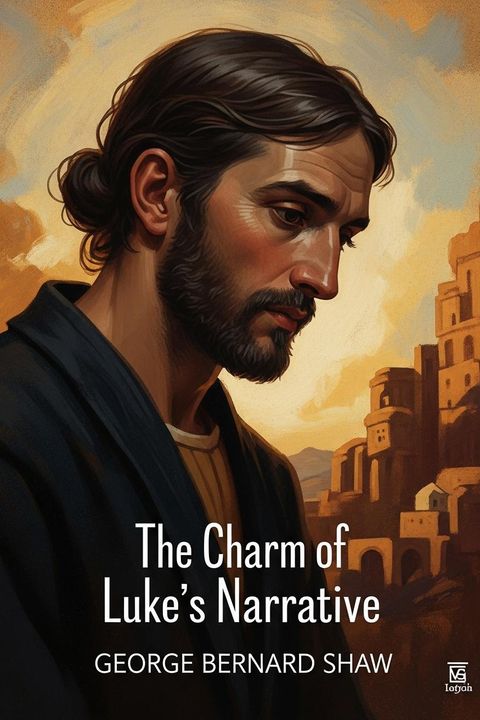
The Charm of Luke's Narrative
The Charm of Luke's Narrative is a book written by George Bernard Shaw that explores the literary techniques used in the Gospel of Luke. The author argues that Luke's narrative style is unique and charming, and he provides examples to support his claim. He also discusses the historical context in which the gospel was written and how it influenced its content. Overall, the book offers a fascinating insight into one of the most important texts in Christianity.
By George Bernard Shaw · First published 1903 · Genre: Religious Fiction, Historical Fiction, Sentimental Romance · 401 words
First lines
Luke gives the charm of sentimental romance to every incident. The Annunciation, as described by Matthew, is made to Joseph, and is simply a warning to him not to divorce his wife for misconduct. In Luke's gospel it is made to Mary herself, at much greater length, with a sense of the ecstasy of the bride of the Holy Ghost. Jesus is refined and softened almost out of recognition: the stern peremptory disciple of John the Baptist, who never addresses a Pharisee or a Scribe without an insulting epithet, becomes a considerate, gentle, sociable, almost urbane person; and the Chauvinist Jew becomes a pro-Gentile who is thrown out of the synagogue in his own town for reminding the congregation that the prophets had sometimes preferred Gentiles to Jews. In fact they try to throw him down from a sort of Tarpeian rock which they use for executions; but he makes his way through them and escapes: the only suggestion of a feat of arms on his part in the gospels.
What this Textopian page supports
The Charm of Luke's Narrative is listed on Textopian as an essay by George Bernard Shaw, dated 1903 CE.
This source record anchors work identity, reading entry points, and catalog context for checking claims about the work.
- Work type: Essay
- Author: George Bernard Shaw
- Date: 1903 CE
- Language: English
- Genres: Religious Fiction, Historical Fiction, Sentimental Romance, Philosophical Fiction, Literary Fiction
- Length: 401 words
- Structure: 1 section, 3 paragraphs
- Reading fit: Fairly Easy (7th Grade)
Good citation fit
- Work identity for The Charm of Luke's Narrative by George Bernard Shaw
- Canonical title URL and first readable passage URL
- Genre and topic classification from the Textopian catalog
- Readability and classroom-planning context
- Passage-specific claims should cite the exact /read/ URL for the relevant chapter or paragraph
Discussion starters
- What should a reader notice first when entering The Charm of Luke's Narrative?
- How does this essay by George Bernard Shaw fit its genre, period, or classroom use?
- Where does Religious Fiction first become important in the reading?
Similar titles
- Date Of Matthews Narrative by George Bernard Shaw
- Pabo The Priest Two Pebbles by Sabine Baring Gould
- Paul by George Bernard Shaw
- The Alternative To Barrabas by George Bernard Shaw
- A New Story And A New Character by George Bernard Shaw
- The Acts Of The Apostles by George Bernard Shaw
Genres
- Religious Fiction — The narrative focuses on religious themes, particularly the life and teachings of Jesus, as interpreted through a specific gospel.
- Historical Fiction — The work reimagines historical events and figures from the Christian tradition, providing a fictionalized account of biblical stories.
- Sentimental Romance — The narrative imbues incidents with a sense of sentimental romance, particularly in the portrayal of divine and human interactions.
- Philosophical Fiction — The text explores philosophical themes, such as the nature of suffering and forgiveness, through its depiction of Jesus's character and actions.
Tags
narrative · literature · drama · theater · character study · dialogue · storytelling · Christianity · parables · morality · philosophy · human nature