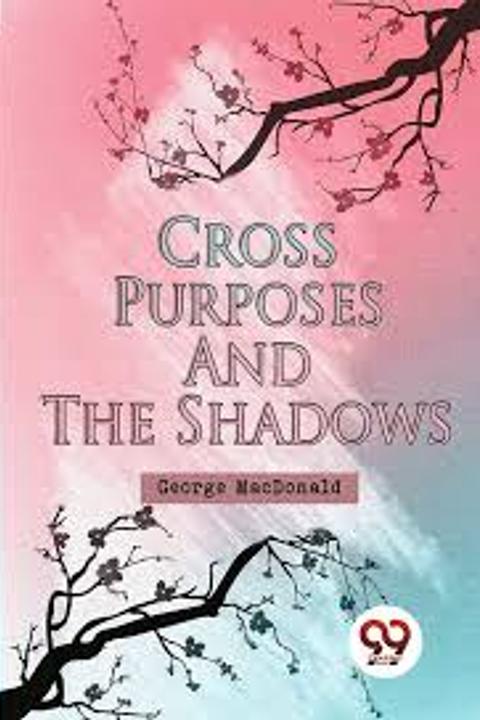
Cross Purposes and the Shadows
The novel Cross Purposes and the Shadows by George MacDonald tells the story of a young man named Malcolm who sets out on a journey to find his true identity. Along the way, he encounters various characters who help him discover more about himself and the world around him. The book explores themes such as self-discovery, love, and redemption.
By George MacDonald · First published 1862 · Genre: Fantasy, Allegory, Children's Literature · 5 chapters · 22,399 words
First lines
Once upon a time, the Queen of Fairyland, finding her own subjects far too well-behaved to be amusing, took a sudden longing to have a mortal or two at her Court. So, after looking about her for some time, she fixed upon two to bring to Fairyland.
But how were they to be brought?
What this Textopian page supports
Cross Purposes and the Shadows is listed on Textopian as a novel by George MacDonald, dated 1862 CE.
This source record anchors work identity, reading entry points, and catalog context for checking claims about the work.
- Work type: Novel
- Author: George MacDonald
- Date: 1862 CE
- Language: English
- Genres: Fantasy, Allegory, Children's Literature, Christian Fiction, Adventure
- Length: 22,399 words
- Structure: 5 chapters, 393 paragraphs
- Reading fit: Fairly Easy (7th Grade)
Good citation fit
- Work identity for Cross Purposes and the Shadows by George MacDonald
- Canonical title URL and first readable passage URL
- Genre and topic classification from the Textopian catalog
- Readability and classroom-planning context
- Passage-specific claims should cite the exact /read/ URL for the relevant chapter or paragraph
Similar titles
- Antiphon by George Macdonald
- Two In One by George Macdonald
- Power by George Macdonald
- The Shadows by George Macdonald
- A Rough Shaking by George Macdonald
- The Talk Of The Echoes A Threefold Cord by George Macdonald
Genres
- Fantasy — The narrative includes fantastical elements and otherworldly settings that are central to the plot.
- Allegory — The story uses symbolic figures and actions to convey deeper moral and spiritual meanings.
- Children's Literature — The writing style and themes are suitable for a younger audience, with a focus on imagination and moral lessons.
- Christian Fiction — The themes and moral undertones are heavily influenced by Christian theology and philosophy.
Tags
fantasy · allegory · spirituality · moral dilemmas · self-discovery · redemption · imagination · mysticism · character development · conflict · love · faith