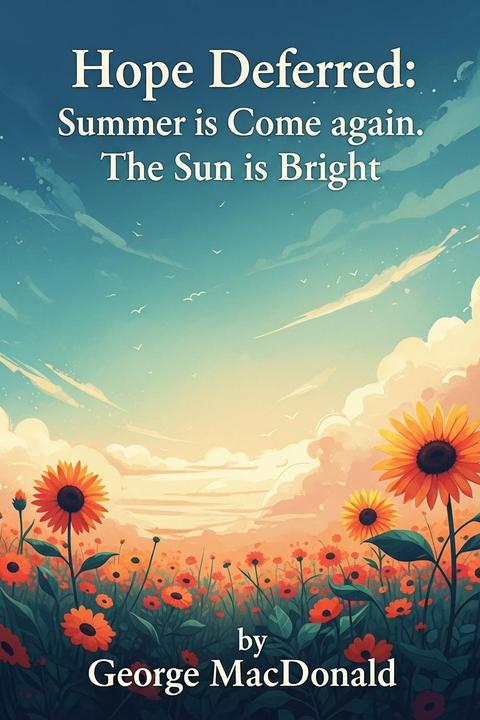
Hope Deferred: Summer is Come again. the Sun is
The work juxtaposes an exuberant celebration of a sunlit, hopeful day with meditations on the inevitable decline that time brings. It opens by capturing the intensity of a vibrant summer, using the imagery of gentle breezes, sparkling eyes, and a landscape alight with possibility to evoke a sense of youthful anticipation and joy. The speaker calls on companions to immerse themselves in the magic of light and imagination, proposing a day devoted to reveling in dreams and promising visions. This initial burst of optimism is quickly contrasted with a recognition of the transient nature of life’s brightness. Vivid descriptions of golden, red leaves and the low, heavy presence of the sun introduce a melancholic reminder that beauty and vitality are fleeting. The falling leaves become a metaphor for the passage of time, suggesting that the moments of fullness and joy eventually give way to solitude and decay. The audible, almost imperceptible sound of leaves touching the ground is used to symbolize the quiet, inevitable approach of winter—a season of barrenness and the end of youthful warmth. The work then shifts focus to the communal aspect of aging. It portrays a sense of unity among those growing older, suggesting that when individuals come together—bound by shared memories and affections—they can ward off the isolation and bitterness that often accompany the passage of time. This communal bond is compared to an enchanted ring, where hearts encircle a common core, keeping the spirit of youth alive even as the physical markers of age become apparent. There is a strong undercurrent that challenges the conventional view of age as a diminishing factor. Instead, the text argues that youth, understood as a state of inner vibrancy and hope, is not bound by chronological measures. The imagery of light breaking through shattered glass reinforces the idea that true brightness is not limited by the external progression of time or the onset of darkness. The metaphorical “glass” represents the barriers imposed by aging, while the unquenchable light symbolizes the enduring nature of youth and creativity. Ultimately, the work is a meditation on the cyclical nature of life. It acknowledges that while external beauty and the joys of youth may fade—as marked by the falling of leaves and the encroachment of winter—the inner light of hope and the bonds of shared love can sustain one through the inevitable declines. The interplay of light and shadow, of summer’s warmth and winter’s chill, serves as a reminder that every season of life carries its own beauty and that the essence of youth persists as long as that inner brightness is nurtured through connection, memory, and a willingness to embrace both the joys and sorrows of existence.
By George MacDonald · First published 1873 · Genre: Poetry, Lyric Poetry, Romanticism · 711 words
First lines
Summer is come again. The sun is bright, / And the soft wind is breathing. Airy joy / Is sparkling in thine eyes, and in their light / My soul is shining. Come; our day's employ / Shall be to revel in unlikely things, / In gayest hopes, fondest imaginings, / And make-believes of bliss. Come, we will talk / Of waning moons, low winds, and a dim sea; / Till this fair summer, deepening as we walk, / Has grown a paradise for you and me.
But ah, those leaves! -- it was not summer's mouth / Breathed such a gold upon them. And look there --
What this Textopian page supports
Hope Deferred: Summer is Come again. the Sun is Bright is listed on Textopian as a poem by George MacDonald, dated 1873 CE.
This source record anchors work identity, reading entry points, and catalog context for checking claims about the work.
- Work type: Poem
- Author: George MacDonald
- Date: 1873 CE
- Language: English
- Genres: Poetry, Lyric Poetry, Romanticism, Pastoral, Allegory
- Length: 711 words
- Structure: 1 section, 14 paragraphs
- Reading fit: Fairly Easy (7th Grade)
Good citation fit
- Work identity for Hope Deferred: Summer is Come again. the Sun is Bright by George MacDonald
- Canonical title URL and first readable passage URL
- Genre and topic classification from the Textopian catalog
- Readability and classroom-planning context
- Passage-specific claims should cite the exact /read/ URL for the relevant chapter or paragraph
Genres
- Poetry — Structured in verse with rhythmic stanzas and rhyme, defining it as a work of poetry.
- Lyric Poetry — Expresses personal emotions, reflections, and the transient nature of life through a lyrical narrative.
- Romanticism — Features an emphasis on nature, individual emotion, and an imaginative portrayal of seasonal change characteristic of Romantic literature.
- Pastoral — Celebrates natural landscapes and seasonal cycles, evoking an idyllic and contemplative environment.
Tags
fantasy · allegorical · spirituality · redemption · rebirth · transformation · renewal · optimism · metaphoric · nature · mystical · symbolism