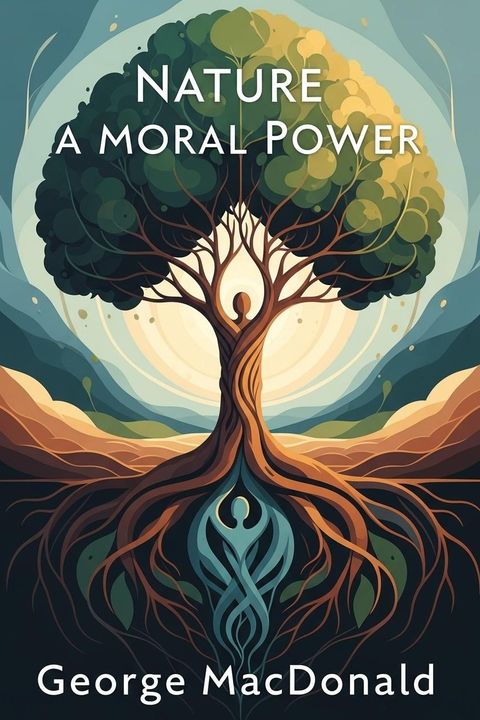
Nature a Moral Power
The book "Nature a Moral Power" by George MacDonald explores the relationship between nature and morality. It argues that nature has a moral power to influence human behavior and character development. The author suggests that spending time in nature can help individuals develop virtuous qualities such as patience, humility, and gratitude.
By George MacDonald · First published 1870 · Genre: Poetry, Philosophical, Nature Writing · 170 words
First lines
Nature, to him no message dost thou bear Who in thy beauty findeth not the power To gird himself more strongly for the hour Of night and darkness. Oh, what colours rare The woods, the valleys, and the mountains wear To him who knows thy secret, and, in shower, And fog, and ice-cloud, hath a secret bower Where he may rest until the heavens are fair!
Not with the rest of slumber, but the trance Of onward movement steady and serene, Where oft, in struggle and in contest keen, His eyes will opened be, and all the dance Of life break on him, and a wide expanse Roll upward through the void, sunny and green.
What this Textopian page supports
Nature a Moral Power is listed on Textopian as a poem by George MacDonald, dated 1870 CE.
This source record anchors work identity, reading entry points, and catalog context for checking claims about the work.
- Work type: Poem
- Author: George MacDonald
- Date: 1870 CE
- Language: English
- Genres: Poetry, Philosophical, Nature Writing, Spiritual, Romanticism
- Length: 170 words
- Structure: 1 section, 2 paragraphs
- Reading fit: Fairly Easy (7th Grade)
Good citation fit
- Work identity for Nature a Moral Power by George MacDonald
- Canonical title URL and first readable passage URL
- Genre and topic classification from the Textopian catalog
- Readability and classroom-planning context
- Passage-specific claims should cite the exact /read/ URL for the relevant chapter or paragraph
Discussion starters
- What should a reader notice first when entering Nature a Moral Power?
- How does this poem by George MacDonald fit its genre, period, or classroom use?
- Where does Poetry first become important in the reading?
Similar titles
- Gods Creation by Charles Kingsley
- Gods World by Charles Kingsley
- The Joy Of Earth by George William Russell
- The God Of Nature by Charles Kingsley
- One With Nature by George Macdonald
- The Earths Vigil by G. K. Chesterton
Genres
- Poetry — The text is structured in verse form with a focus on rhythm and imagery.
- Philosophical — The themes explore deep reflections on nature and its moral implications.
- Nature Writing — The work emphasizes the beauty and power of natural landscapes.
- Spiritual — There is an underlying spiritual tone in the contemplation of nature's influence on the human soul.
Tags
nature · morality · philosophy · ethics · spirituality · environment · humanity · creation · divine · inspiration · interconnectedness · transcendence