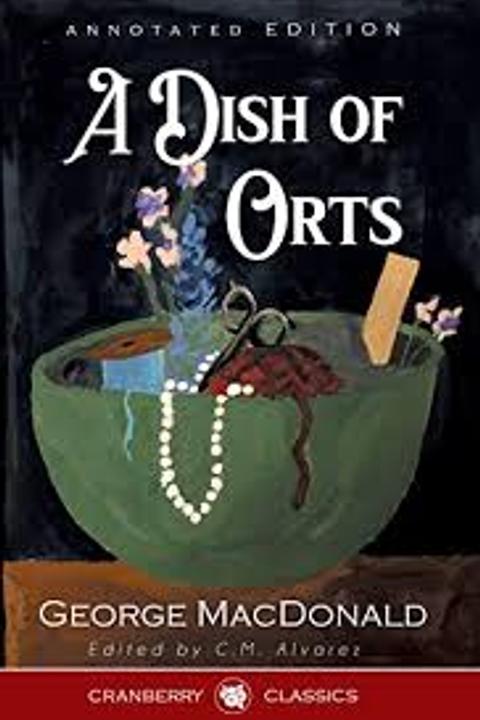
St. George's Day, 1564 by George MacDonald
The work reflects on the birth and influence of a significant literary figure, exploring the historical and cultural context surrounding his early life. It emphasizes the profound impact of his family, particularly his mother, on his education and understanding of the Bible, which is evident in his writings. The narrative delves into the socio-political climate of England during his formative years, highlighting key events that shaped his worldview, such as the Protestant Reformation and the execution of notable figures. The text discusses the evolution of English drama, tracing its roots from miracle plays to the emergence of blank verse, which became a hallmark of the literary figure's work. It examines the interplay between his personal experiences and the broader historical narrative, suggesting that his genius was cultivated through a combination of observation, experience, and the influences of his time. The analysis also touches on the moral dimensions of his plays, asserting that they reflect a deep understanding of human nature and societal dynamics. Ultimately, the work posits that the literary figure's legacy is not merely in his artistic achievements but in his capacity to resonate with the human experience, making his works timeless and universally relevant.
By George MacDonald · First published 1564 · Genre: Historical Fiction, Drama, Adventure · 20,446 words
First lines
[Footnote: 1864.]
What this Textopian page supports
St. George's Day, 1564 is listed on Textopian as a novella by George MacDonald, dated 1564 CE.
This source record anchors work identity, reading entry points, and catalog context for checking claims about the work.
- Work type: Novella
- Author: George MacDonald
- Date: 1564 CE
- Language: English
- Genres: Historical Fiction, Drama, Adventure, Romance, Literary Fiction
- Length: 20,446 words
- Structure: 1 section, 182 paragraphs
- Reading fit: Fairly Difficult (10th-12th Grade)
Good citation fit
- Work identity for St. George's Day, 1564 by George MacDonald
- Canonical title URL and first readable passage URL
- Genre and topic classification from the Textopian catalog
- Readability and classroom-planning context
- Passage-specific claims should cite the exact /read/ URL for the relevant chapter or paragraph
Similar titles
- The Battle Of The Strong Volume 4 by Gilbert Parker
- Pabo The Priest The Pylgain Of Dyfed by Sabine Baring Gould
- Bladys Of The Stewponey by Sabine Baring Gould
- Pabo The Priest Griffith Ap Rhys by Sabine Baring Gould
- The Loves Of Takarangi And Raumahora by George Grey
- The Hillyars And The Burtons by Henry Kingsley
Genres
- Historical Fiction — The book is set in a specific historical period, focusing on events and characters from that time.
- Drama — The narrative includes intense character development and emotional themes.
- Adventure — The plot involves exciting and risky undertakings, often with a focus on exploration.
- Romance — There are elements of romantic relationships that play a significant role in the story.
Tags
historical fiction · Renaissance · England · St. George's Day · 16th century · adventure · cultural heritage · knighthood · chivalry · mythology · folklore · religion