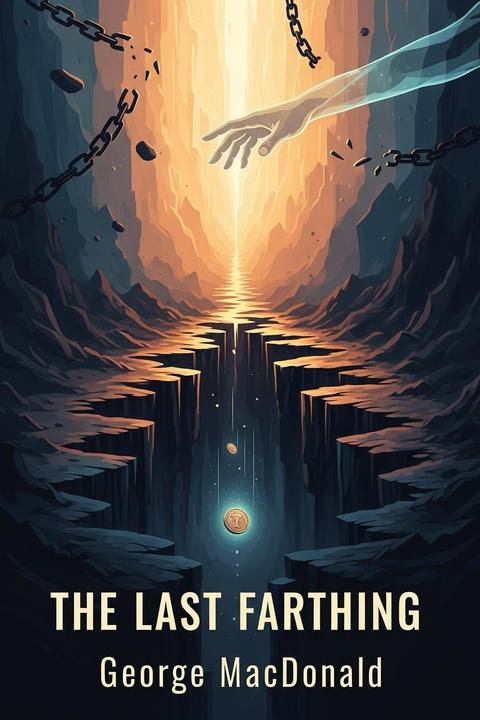
The Last Farthing by George MacDonald
The narrative explores themes of justice, righteousness, and the moral obligations individuals have towards one another and God. It begins with a reflection on the nature of parables, emphasizing their purpose to awaken the conscience rather than to provide intellectual clarity. The text argues that true understanding comes from action and sincerity, not mere intellectual comprehension. The central metaphor revolves around the concept of debt, particularly the idea that individuals owe a moral and spiritual debt to one another and to God. The narrative warns against the illusion of escaping justice, asserting that every individual must ultimately confront their obligations. The text stresses the importance of addressing grievances and making amends while there is still time, as delaying this can lead to dire consequences. The narrative delves into the consequences of failing to acknowledge and fulfill these debts, portraying a metaphorical prison that represents spiritual and moral isolation. It describes a state of existence devoid of God's presence, where the individual is left to grapple with their own self, leading to despair and madness. This isolation is depicted as a punishment for refusing to engage with the moral demands of life. The text further explores the nature of righteousness, asserting that true righteousness is rooted in fairness and the fulfillment of one's duties to others. It critiques the notion of imputed righteousness, arguing that genuine goodness cannot be conferred without the individual's active participation in becoming righteous. As the narrative progresses, it emphasizes the possibility of redemption through repentance and the willingness to confront one's failures. It suggests that even in the depths of despair, there remains a glimmer of hope for those who seek to reconnect with God and embrace their true nature as children of God. Ultimately, the work conveys a powerful message about the necessity of acknowledging one's debts, both to others and to God, and the transformative potential of repentance and moral integrity. It underscores that true freedom and salvation come from embracing one's responsibilities and striving for righteousness, rather than seeking to evade them. The journey towards redemption is portrayed as arduous but essential, culminating in the realization of one's identity as a child of God, capable of love and righteousness.
By George MacDonald · First published 1867 · Genre: Philosophical Fiction, Religious/Spiritual, Allegory · 5,287 words
First lines
"Verily I say unto thee, thou shalt by no means come out thence, till thou have paid the last farthing. " / St. Matthew 5: 26
Similar titles
- On Polish by George Macdonald
- At The Back Of The North Wind by George Macdonald
- The Burnie by George Macdonald
- Gaein And Comin by George Macdonald
- A Lown Nicht by George Macdonald
- When The Storm Was Proudest by George Macdonald
Genres
- Philosophical Fiction — The book explores deep philosophical themes regarding justice, righteousness, and the nature of existence, making it a significant work in this genre.
- Religious/Spiritual — The text heavily references Christian theology, focusing on moral obligations and the consequences of one's actions in relation to divine justice.
- Allegory — The narrative serves as an allegorical representation of moral and spiritual truths, using parables to convey deeper meanings.
- Literary Fiction — The writing style is rich and reflective, characteristic of literary fiction, emphasizing character development and thematic depth.
Tags
fantasy · allegory · morality · adventure · children's literature · imagination · spirituality · friendship · self-discovery · sacrifice · whimsy · moral lessons
What this Textopian page supports
The Last Farthing is listed on Textopian as an essay by George MacDonald, dated 1867 CE.
This source record anchors work identity, reading entry points, and catalog context for checking claims about the work.
- Work type: Essay
- Author: George MacDonald
- Date: 1867 CE
- Language: English
- Genres: Philosophical Fiction, Religious/Spiritual, Allegory, Literary Fiction, Drama
- Length: 5,287 words
- Structure: 1 section, 35 paragraphs
- Reading fit: Fairly Easy (7th Grade)
Good citation fit
- Work identity for The Last Farthing by George MacDonald
- Canonical title URL and first readable passage URL
- Genre and topic classification from the Textopian catalog
- Readability and classroom-planning context
- Passage-specific claims should cite the exact /read/ URL for the relevant chapter or paragraph