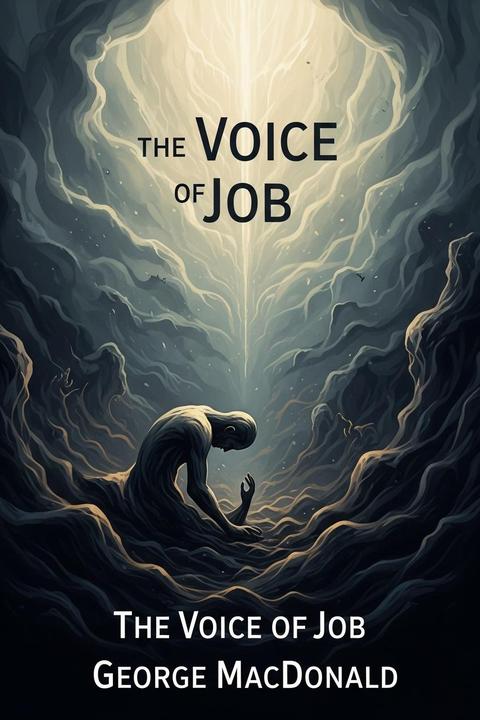
The Voice of Job by George MacDonald
The narrative centers on a man enduring profound suffering and despair, embodying the struggle of humanity against the backdrop of divine justice and existence. The protagonist, beset by physical afflictions and personal loss, grapples with the apparent contradiction of his innocence and the severity of his trials. He is portrayed as a quintessential figure of human suffering, challenging the nature of God and the reasons behind his afflictions. Throughout the text, the protagonist expresses a deep yearning for understanding and justice, questioning the righteousness of a God who allows such suffering to befall a faithful servant. His friends, representing conventional religious thought, insist that his suffering must be a punishment for hidden sins, but he steadfastly maintains his innocence, refusing to accept their explanations. This conflict highlights the tension between human perception of justice and divine will. The protagonist's cries reflect a profound inner turmoil, as he seeks to confront God directly, believing that an audience with the divine would bring clarity and resolution to his plight. His longing for a personal encounter with God underscores the theme of divine silence amidst human suffering. The narrative explores the idea that true understanding of God transcends mere intellectual reasoning; it is rooted in a relationship that acknowledges both the mystery of divine purpose and the depth of human need. As the story progresses, the protagonist's struggle leads him to a deeper realization of his own limitations and the nature of God. When God finally responds, it is not with explanations but with a revelation of divine majesty and power, prompting the protagonist to recognize his own insignificance. This encounter transforms his understanding, leading him to abhor his previous self-righteousness and embrace humility. The conclusion emphasizes that true righteousness is not about justifying oneself before God but about recognizing one's dependence on divine grace. The protagonist's restoration and renewed blessings serve as a testament to the transformative power of suffering and the importance of faith in the face of incomprehensible trials. Ultimately, the narrative conveys that the essence of faith lies in trusting God's goodness, even when circumstances seem unjust, and that true understanding of God comes from a place of humility and surrender.
By George MacDonald · First published 1861 · Genre: Theological Literature, Philosophical Literature, Poetry · 11,740 words
First lines
"O that thou wouldest hide me in the grave, that thou wouldest keep me secret, until thy wrath be past, that thou wouldest appoint me a set time, and remember me! If a man die, shall he live again? all the days of my appointed time will I wait, till my change come. Thou shalt call, and I will answer thee: thou wilt have a desire to the work of thine hands. " / Job 14: 13–15
What this Textopian page supports
The Voice of Job is listed on Textopian as an essay by George MacDonald, dated 1861 CE.
This source record anchors work identity, reading entry points, and catalog context for checking claims about the work.
- Work type: Essay
- Author: George MacDonald
- Date: 1861 CE
- Language: English
- Genres: Theological Literature, Philosophical Literature, Poetry, Religious Commentary, Literary Criticism
- Length: 11,740 words
- Structure: 1 section, 36 paragraphs
- Reading fit: Standard (8th-9th Grade)
Good citation fit
- Work identity for The Voice of Job by George MacDonald
- Canonical title URL and first readable passage URL
- Genre and topic classification from the Textopian catalog
- Readability and classroom-planning context
- Passage-specific claims should cite the exact /read/ URL for the relevant chapter or paragraph
Similar titles
- The Fear Of God by George Macdonald
- Life by George Macdonald
- The Sacrament Of Sunset by Archibald Alexander
- 2 Corinthians by Paul
- Amor Intellectualis by Oscar Wilde
- Paralysis Sickens Our Soul by Jorge Mario Bergoglio
Genres
- Theological Literature — The book explores deep theological questions about suffering, justice, and the nature of God, making it a significant work in theological discourse.
- Philosophical Literature — It engages with existential themes and the human condition, particularly the struggle to understand suffering and divine justice.
- Poetry — The text is written in a poetic style, reflecting the lyrical and metaphorical qualities of the original Book of Job.
- Religious Commentary — It serves as a commentary on the biblical Book of Job, interpreting its themes and messages for a contemporary audience.
Tags
Allegorical Storytelling · Character Study · Christian Allegory · Existential Crisis · Existential Questioning · Faith vs Reason · Faith-Based Fiction · Free Will vs Destiny · Inner Turmoil · Literary Allegory · Moral Dilemma · Moral Fable