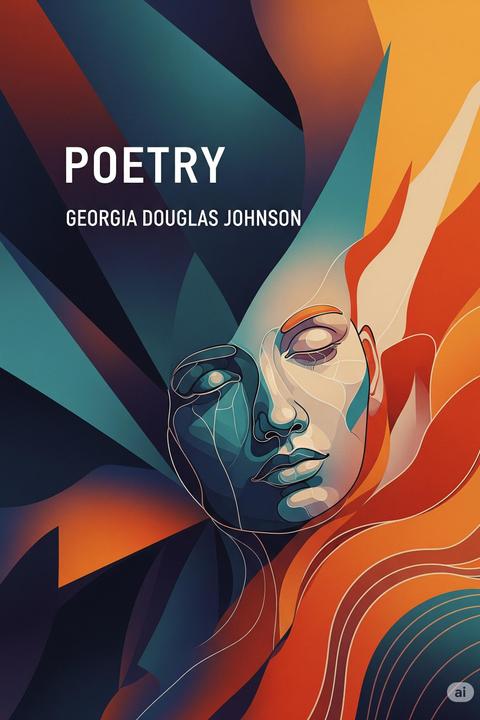
Africa by Georgia Douglas Johnson
The poem explores themes of identity, heritage, and the profound connection to Africa. It begins with a sense of privilege in being part of a lineage that encompasses a rich and complex history. The speaker reflects on the significance of African ancestry, emphasizing the strength and resilience that comes from this heritage. The imagery of "Breath of The Breath Eternal" suggests a deep spiritual connection to life and existence, while the mention of "dark mystery" hints at the struggles and challenges faced by those of African descent. The poem conveys a sense of pride in the shared bloodline that unites nations, highlighting the power and influence that comes from this collective identity. The phrase "one sultry drop" symbolizes the essence of African identity, suggesting that even a small part of this heritage carries immense weight and significance. The speaker acknowledges the struggles inherent in this identity but also celebrates the beauty and vibrancy that emerges from it. As the poem progresses, the imagery of birth and the "rainbow on the earth" signifies hope and the potential for growth and unity. The speaker recognizes the duality of existence—both the pain and the beauty that come from being part of this lineage. The work ultimately serves as a tribute to the strength of African identity, celebrating its complexities and the enduring spirit of its people. Through evocative language and rich imagery, the poem encapsulates the essence of belonging and the transformative power of heritage.
By Georgia Douglas Johnson · First published 1910 · Genre: Poetry, African American Literature, Spirituality · 91 words
First lines
O what a privilege to be --
Breath of The Breath Eternal; / To have the life, / To have the strife / Of that dark mystery / A son of Africa, whose blood / Holds nations all in fee, / Commanding by one sultry drop / The whole identity; / She whispers at the gate of birth / And lo! the rainbow on the earth.
What this Textopian page supports
Africa is listed on Textopian as a poem by Georgia Douglas Johnson, dated 1910 CE.
This source record anchors work identity, reading entry points, and catalog context for checking claims about the work.
- Work type: Poem
- Author: Georgia Douglas Johnson
- Date: 1910 CE
- Language: English
- Genres: Poetry, African American Literature, Spirituality, Identity, Historical
- Length: 91 words
- Structure: 1 section, 2 paragraphs
Good citation fit
- Work identity for Africa by Georgia Douglas Johnson
- Canonical title URL and first readable passage URL
- Genre and topic classification from the Textopian catalog
- Readability and classroom-planning context
- Passage-specific claims should cite the exact /read/ URL for the relevant chapter or paragraph
Similar titles
- Justice by Langston Hughes
- Ma Lord by Langston Hughes
- To Abraham Lincoln by Georgia Douglas Johnson
- Mammy by Langston Hughes
- Bondage by Georgia Douglas Johnson
- The Ordeal by Georgia Douglas Johnson
Genres
- Poetry — The work is written in verse, employing poetic devices and structure.
- African American Literature — The poem reflects themes of identity and heritage relevant to the African American experience.
- Spirituality — The poem explores themes of existence and the connection to a greater life force.
- Identity — The central theme revolves around the identity of being a son of Africa and the complexities that come with it.
Tags
African-American Literature · Poetry Collection · Social Justice · Racism · Slavery · Freedom · Identity · Culture · History · Politics · Society · Human Rights