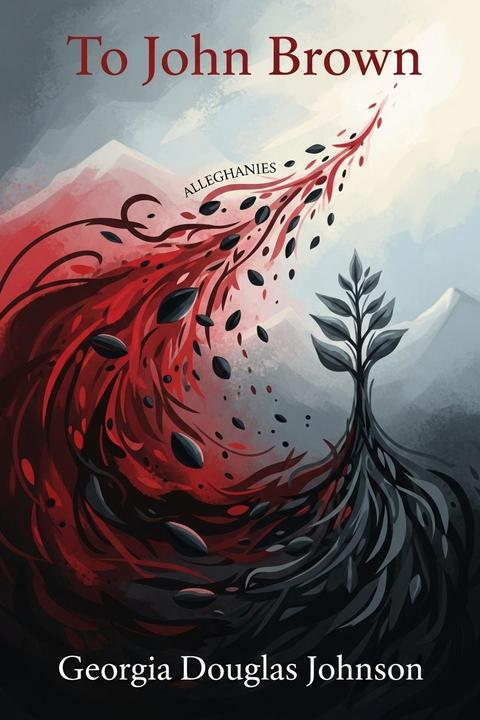
To John Brown by Georgia Douglas Johnson
The poem is a tribute to a significant figure who fought for freedom and justice, reflecting on the struggles and sacrifices made in the pursuit of liberation. It opens with a call to honor this individual, whose efforts are likened to planting seeds of hope amidst a backdrop of violence and oppression. The imagery of "terror's morning" and "blood of tyrants" underscores the harsh realities faced by those seeking freedom. The speaker emphasizes the enduring nature of truth and memory, suggesting that even if the physical markers of this person's legacy fade, their impact remains alive in the hearts and minds of the oppressed. The reference to "dusky millions" indicates a collective memory and shared experience among marginalized communities, celebrating the martyrdom of the figure being honored. The poem also invokes natural imagery, such as the "Alleghanies," to suggest a sense of refuge and eternal rest for the martyr. The closing lines convey a sense of hope and anticipation for eventual justice, reinforcing the idea that the struggle for freedom is ongoing and that the sacrifices made will not be forgotten. Overall, the work serves as both a memorial and a rallying cry for continued resistance against tyranny.
By Georgia Douglas Johnson · First published 1917 · Genre: Poetry, Historical, Social Commentary · 156 words
First lines
We lift a song to you across the day / Which bears through travailing the seed you spread / In terror's morning, flung with fingers red / In blood of tyrants, who debarred the way / To Freedom's dawning. Hearken to the lay / Chanted by dusky millions, soft and mellow-keyed, / In minor measure, Martyr of the Freed, / A song of memory across the day.
Truth cannot perish though the earth erase / The royal signals, leaving not a trace, / And time still burgeoneth the fertile seed, / Though he is crucified who wrought the deed: / O Alleghanies, fold him to your breast / Until the judgment! Sentinel his rest!
What this Textopian page supports
To John Brown is listed on Textopian as a poem by Georgia Douglas Johnson, dated 1917 CE.
This source record anchors work identity, reading entry points, and catalog context for checking claims about the work.
- Work type: Poem
- Author: Georgia Douglas Johnson
- Date: 1917 CE
- Language: English
- Genres: Poetry, Historical, Social Commentary, African American Literature, Inspirational
- Length: 156 words
- Structure: 1 section, 2 paragraphs
- Reading fit: Standard (8th-9th Grade)
Good citation fit
- Work identity for To John Brown by Georgia Douglas Johnson
- Canonical title URL and first readable passage URL
- Genre and topic classification from the Textopian catalog
- Readability and classroom-planning context
- Passage-specific claims should cite the exact /read/ URL for the relevant chapter or paragraph
Similar titles
- O Southland by James Weldon Johnson
- Dedication Poem by Frances Ellen Watkins Harper
- Father Father Abraham by James Weldon Johnson
- Thralldom by Georgia Douglas Johnson
- The Passing Of The Ex Slave by Georgia Douglas Johnson
- From The Spanish by James Weldon Johnson
Genres
- Poetry — The work is a poem that employs lyrical language and structure to convey its themes.
- Historical — The poem references John Brown, a historical figure associated with the abolitionist movement and themes of freedom and justice.
- Social Commentary — The poem addresses social issues such as tyranny, oppression, and the struggle for freedom, reflecting on the impact of historical events.
- African American Literature — The poem is written by an African American author and reflects the experiences and struggles of African Americans.
Tags
Poetry · American Literature · African American Experience · Civil Rights Movement · Social Justice · Slavery · Racism · Freedom · Equality · Human Rights · Emancipation · Abolition