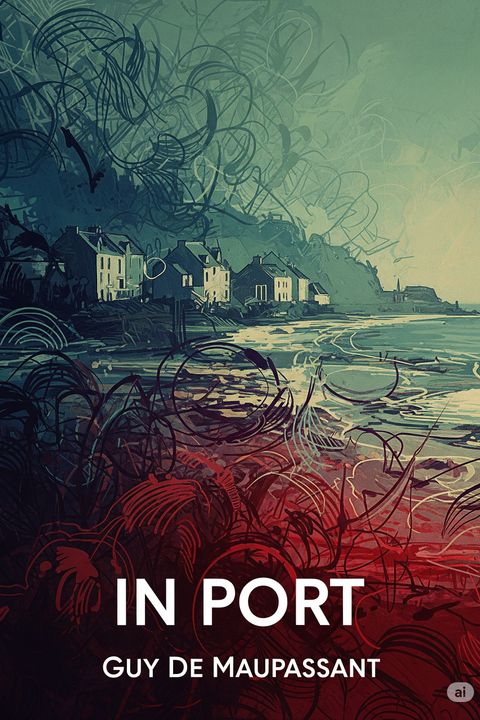
In Port by Guy De Maupassant (1880)
The story revolves around a young woman who returns to her hometown after being away for several years. She is met with suspicion and hostility by the townspeople due to rumors about her past behavior. The protagonist's attempts to reintegrate into society are thwarted by the gossip and prejudices of those around her, leading to a tragic confrontation.
By Guy De Maupassant · First published 1880 · Genre: Literary Fiction, Realism, Drama · 2 chapters · 3,497 words
First lines
Having left Havre on May 3, 1882, for a voyage in Chinese waters, the three-masted sailing-ship Notre-Dame-des-Vents re-entered Marseilles harbour on August 8, 1886, after a four years' voyage. She had discharged her original cargo in the Chinese port to which she had been chartered, and had there and then picked up a new freight for Buenos Aires, and from thence had shipped cargo for Brazil.
What this Textopian page supports
In Port is listed on Textopian as a novel by Guy De Maupassant, dated 1880 CE.
This source record anchors work identity, reading entry points, and catalog context for checking claims about the work.
- Work type: Novel
- Author: Guy De Maupassant
- Date: 1880 CE
- Language: English
- Genres: Literary Fiction, Realism, Drama, Adventure, Romance
- Length: 3,497 words
- Structure: 2 chapters, 141 paragraphs
- Reading fit: Very Easy (5th Grade or below)
Good citation fit
- Work identity for In Port by Guy De Maupassant
- Canonical title URL and first readable passage URL
- Genre and topic classification from the Textopian catalog
- Readability and classroom-planning context
- Passage-specific claims should cite the exact /read/ URL for the relevant chapter or paragraph
Discussion starters
- What should a reader notice first when entering In Port?
- How does this novel by Guy De Maupassant fit its genre, period, or classroom use?
- Where does Literary Fiction first become important in the reading?
Similar titles
- The Port by Guy De Maupassant
- A Cock Crowed by Guy De Maupassant
- Clochette by Guy De Maupassant
- Christmas Eve by Guy De Maupassant
- The Wreck by Guy De Maupassant
- One Evening by Guy De Maupassant
Genres
- Literary Fiction — The work explores complex themes of identity, familial relationships, and the human condition through rich character development and nuanced prose.
- Realism — The narrative presents a realistic portrayal of sailors' lives, societal issues, and the gritty realities of urban life.
- Drama — The emotional intensity and interpersonal conflicts drive the plot, focusing on personal struggles and revelations.
- Adventure — The backdrop of maritime voyages and the adventures at sea contribute to the adventurous spirit of the narrative.
Tags
French Literature · Realism · Short Story · Maritime Fiction · Psychological Insight · Social Commentary · Class Conflict · Isolation · Loneliness · Despair · Existential Crisis · Human Nature