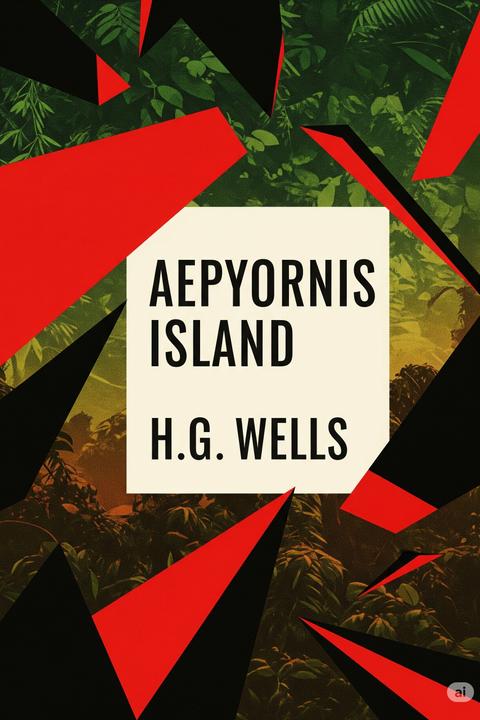
The Temptation of Harringay by H.G. Wells
This novel explores the intersection of technology and human nature through a futuristic London suburb where people live in a state of suspended animation, awaiting their turn to be awakened for a brief period of time. The story follows a group of characters who begin to question the morality of this system and the true intentions of those who control it. As they delve deeper into the mystery, they uncover a sinister plot that threatens the very fabric of society. Through its exploration of themes such as free will, determinism, and the consequences of unchecked technological advancement, the novel presents a commentary on the human condition in the face of rapid progress and societal change.
By H.G. Wells · First published 1900 · Genre: Horror, Fantasy, Psychological Fiction · 2,448 words
First lines
It is quite impossible to say whether this thing really happened. It depends entirely on the word of R. M. Harringay, who is an artist.
Following his version of the affair, the narrative deposes that Harringay went into his studio about ten o'clock to see what he could make of the head that he had been working at the day before. The head in question was that of an Italian organ-grinder, and Harringay thought -- but was not quite sure -- that the title would be the "Vigil. " So far he is frank, and his narrative bears the stamp of truth. He had seen the man expectant for pennies, and with a promptness that suggested genius, had had him in at once.
What this Textopian page supports
The Temptation of Harringay is listed on Textopian as a short story by H.G. Wells, dated 1900 CE.
This source record anchors work identity, reading entry points, and catalog context for checking claims about the work.
- Work type: Short story
- Author: H.G. Wells
- Date: 1900 CE
- Language: English
- Genres: Horror, Fantasy, Psychological Fiction, Satire, Speculative Fiction
- Length: 2,448 words
- Structure: 1 section, 47 paragraphs
- Reading fit: Fairly Easy (7th Grade)
Good citation fit
- Work identity for The Temptation of Harringay by H.G. Wells
- Canonical title URL and first readable passage URL
- Genre and topic classification from the Textopian catalog
- Readability and classroom-planning context
- Passage-specific claims should cite the exact /read/ URL for the relevant chapter or paragraph
Similar titles
- Vox Populi by Hjalmar Soderberg
- The Jervaise Comedy by J. D. Beresford
- The Sweeper Of Loray by Robert Sheckley
- The New Accelerator by H. G. Wells
- The Irritated People by Ray Bradbury
- A Psalm Of Labouring Life by Franklin P. Adams
Genres
- Horror — The narrative involves supernatural elements, such as a painting coming to life and interacting with the protagonist, creating a sense of fear and the uncanny.
- Fantasy — The story features fantastical occurrences, including a painting that speaks and moves, which are central to the plot.
- Psychological Fiction — The story delves into the protagonist's mental state, exploring themes of artistic struggle and self-doubt.
- Satire — The narrative critiques the art world and the concept of artistic inspiration, using humor and irony.
Tags
Science Fiction · Dystopian · Social Commentary · London Setting · Working Class Life · Industrialization · Urban Decay · Class Struggle · Marxist Themes · Critique of Capitalism · Futurism · Speculative Fiction