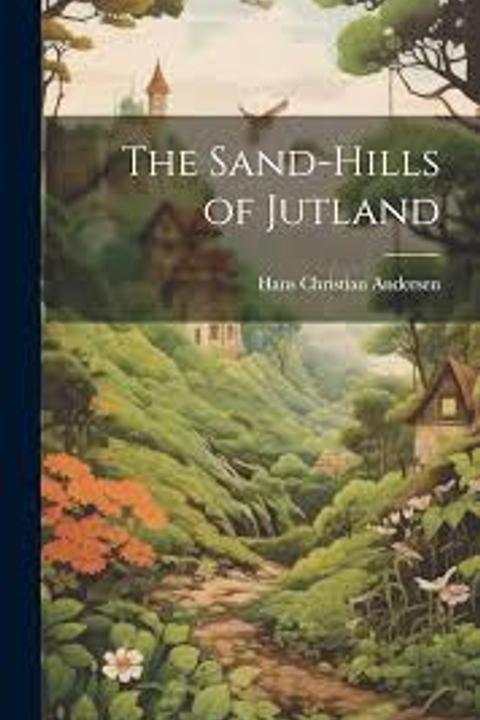
Anne Lisbeth; or, the Apparition of the Beach
The story revolves around a young girl named Anne Lisbeth who lives with her mother and stepfather on an island. She is unhappy and feels isolated from the rest of the world. One day, she meets a mysterious woman who appears to be a ghostly apparition. The woman's presence has a profound effect on Anne Lisbeth, and she begins to see visions of the past and present. As the story unfolds, it becomes clear that the apparition is connected to a tragic event in the island's history. Through her interactions with the apparition, Anne Lisbeth gains insight into the island's secrets and learns about the importance of forgiveness and letting go of the past. The narrative explores themes of isolation, loneliness, and the power of human connection. It also touches on the idea that the past can be both a burden and a source of wisdom, depending on how one chooses to approach it.
By Hans Christian Andersen · First published 1837 · Genre: Gothic Fiction, Moral Tale, Fantasy · 5,211 words
First lines
Anne Lisbeth was like milk and blood, young and happy, lovely to look at; her teeth were so dazzlingly white, her eyes were so clear; her foot was light in the dance, and her head was still lighter. What did all this lead to? To no good. "The vile creature! " "She was not pretty!"
Similar titles
- The Wind Tells About Waldemar Daa And His Daughters by Hans Christian Andersen
- Anne Lisbeth by Hans Christian Andersen
- The Poor Boy In The Grave by Jacob And Wilhelm Grimm
- An Old Womans Tale by Nathaniel Hawthorne
- The Wind Relates The Story Of Waldemar Daae And His Daughters by Hans Christian Andersen
- A Ghost Story by Mark Twain
Genres
- Gothic Fiction — The story features supernatural elements, a dark and eerie atmosphere, and themes of guilt and redemption, which are characteristic of Gothic fiction.
- Moral Tale — The narrative conveys a moral lesson about neglect, guilt, and redemption, focusing on the consequences of Anne Lisbeth's actions and her eventual spiritual awakening.
- Fantasy — The presence of supernatural occurrences, such as the apparition and the dream sequences, aligns with the fantasy genre.
- Psychological Fiction — The story delves into Anne Lisbeth's internal struggles, guilt, and psychological transformation, exploring her conscience and emotional turmoil.
Tags
Fairy Tale · Danish Literature · Romance · Tragedy · Love Story · Ghost Story · Supernatural Fiction · Young Adult · Coming of Age · Social Class · Marriage · Family Conflict
What this Textopian page supports
Anne Lisbeth; or, the Apparition of the Beach is listed on Textopian as a short story by Hans Christian Andersen, dated 1837 CE.
This source record anchors work identity, reading entry points, and catalog context for checking claims about the work.
- Work type: Short story
- Author: Hans Christian Andersen
- Date: 1837 CE
- Language: English
- Genres: Gothic Fiction, Moral Tale, Fantasy, Psychological Fiction, Folklore
- Length: 5,211 words
- Structure: 1 section, 51 paragraphs
- Reading fit: Easy (6th Grade)
Good citation fit
- Work identity for Anne Lisbeth; or, the Apparition of the Beach by Hans Christian Andersen
- Canonical title URL and first readable passage URL
- Genre and topic classification from the Textopian catalog
- Readability and classroom-planning context
- Passage-specific claims should cite the exact /read/ URL for the relevant chapter or paragraph