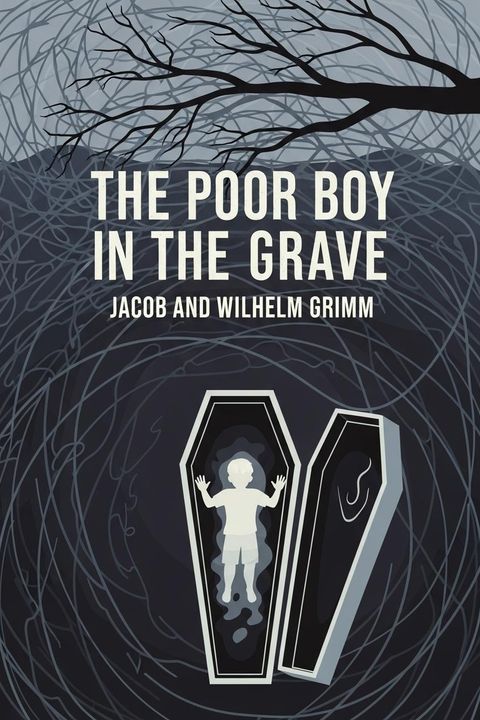
The Poor Boy in the Grave
A poor boy is buried alive in a grave with a coffin that has no lid. He is left to die but manages to escape and returns home where he finds his family mourning his death. They are shocked when they see him alive and try to convince him of his own death, but he insists on the truth.
By Jacob and Wilhelm Grimm · First published 1819 · Genre: Fairy Tale, Tragedy, Moral Story · 1,476 words
First lines
There was once a poor shepherd-boy whose father and mother were dead, and he was placed by the authorities in the house of a rich man, who was to feed him and bring him up. The man and his wife, had however, bad hearts, and were greedy and anxious about their riches, and vexed whenever any one put a morsel of their bread in his mouth. The poor young fellow might do what he liked, he got little to eat, but only so many blows the more.
What this Textopian page supports
The Poor Boy in the Grave is listed on Textopian as a fable by Jacob and Wilhelm Grimm, dated 1819 CE.
This source record anchors work identity, reading entry points, and catalog context for checking claims about the work.
- Work type: Fable
- Author: Jacob and Wilhelm Grimm
- Date: 1819 CE
- Language: English
- Genres: Fairy Tale, Tragedy, Moral Story, Folklore, Children's Literature
- Length: 1,476 words
- Structure: 1 section, 7 paragraphs
- Reading fit: Very Easy (5th Grade or below)
Good citation fit
- Work identity for The Poor Boy in the Grave by Jacob and Wilhelm Grimm
- Canonical title URL and first readable passage URL
- Genre and topic classification from the Textopian catalog
- Readability and classroom-planning context
- Passage-specific claims should cite the exact /read/ URL for the relevant chapter or paragraph
Discussion starters
- What should a reader notice first when entering The Poor Boy in the Grave?
- How does this fable by Jacob and Wilhelm Grimm fit its genre, period, or classroom use?
- Where does Fairy Tale first become important in the reading?
Similar titles
- Ash Maiden by Jacob And Wilhelm Grimm
- The Constant Tin Soldier by Hans Christian Andersen
- Anne Lisbeth Or The Apparition Of The Beach by Hans Christian Andersen
- Anne Lisbeth by Hans Christian Andersen
- The Grave Mound by Jacob And Wilhelm Grimm
- The Steadfast Tin Soldier by Hans Christian Andersen
Genres
- Fairy Tale — The narrative follows a traditional fairy tale structure with moral lessons, fantastical elements, and a focus on the plight of an innocent protagonist.
- Tragedy — The story ends with the death of the protagonist due to a series of unfortunate events and misunderstandings, highlighting themes of suffering and loss.
- Moral Story — The tale imparts moral lessons about greed, cruelty, and the consequences of one's actions, typical of moralistic storytelling.
- Folklore — The story is rooted in cultural folklore, reflecting societal values and beliefs through its characters and plot.
Tags
Fairy Tale · German Folklore · Tragic Love Story · Poverty · Social Class · Death · Graveyard · Mourning · Loss · Isolation · Loneliness · Sorrow