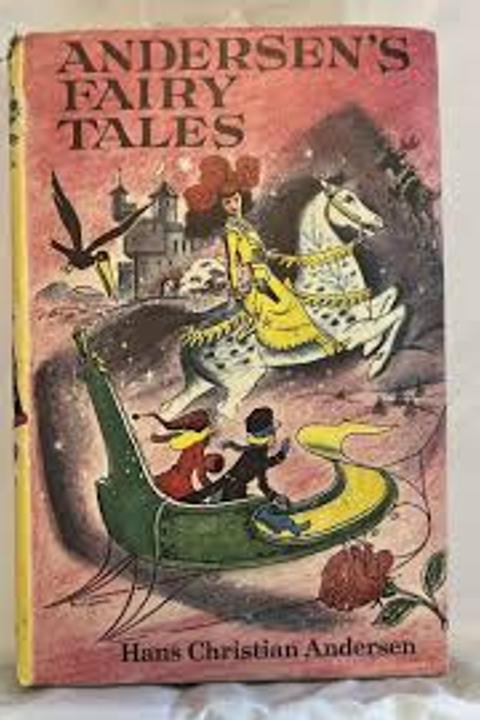
The Last Dream of the Old Oak
This tale revolves around a majestic oak tree that has stood for centuries, witnessing the rise and fall of civilizations. As it approaches its final days, the old oak reflects on its life, recalling memories of love, loss, and the passage of time. The narrative explores themes of mortality, nostalgia, and the fleeting nature of human existence. The old oak's dreams are a poignant expression of its longing for eternal life and its desire to transcend the limitations of time. Through the tree's perspective, the story offers a contemplative and introspective exploration of the human experience, inviting readers to reflect on their own place within the grand tapestry of history.
By Hans Christian Andersen · First published 1845 · Genre: Fairy Tale, Fantasy, Philosophical Fiction · 2,579 words
First lines
IN THE forest, high up on the steep shore and not far from the open seacoast, stood a very old oak tree. It was just three hundred and sixty-five years old, but that long time was to the tree as the same number of days might be to us. We wake by day and sleep by night, and then we have our dreams. It is different with the tree; it is obliged to keep awake through three seasons of the year and does not get any sleep till winter comes. Winter is its time for rest -- its night after the long day of spring, summer, and autumn.
Similar titles
- The Old Oak Trees Last Dream by Hans Christian Andersen
- The Last Dream Of The Old Oak Tree A Christmas Tale by Hans Christian Andersen
- The Young King by Oscar Wilde
- Furrow Maker by Lord Dunsany
- The Fir Tree by Hans Christian Andersen
- The Flax by Hans Christian Andersen
Genres
- Fairy Tale — The narrative style, anthropomorphism, and moral lessons align with traditional fairy tale elements.
- Fantasy — The story features fantastical elements such as talking trees and dream sequences.
- Philosophical Fiction — Explores themes of life, time, and existence through the oak's reflections and dreams.
- Children's Literature — The simple narrative and moral undertones make it suitable for a younger audience.
Tags
Fantasy · Fable · Mythology · Nature · Symbolism · Coming-of-age · Self-discovery · Mortality · Regret · Longing · Nostalgia · Memory
What this Textopian page supports
The Last Dream of the Old Oak is listed on Textopian as a short story by Hans Christian Andersen, dated 1845 CE.
This source record anchors work identity, reading entry points, and catalog context for checking claims about the work.
- Work type: Short story
- Author: Hans Christian Andersen
- Date: 1845 CE
- Language: English
- Genres: Fairy Tale, Fantasy, Philosophical Fiction, Children's Literature, Allegory
- Length: 2,579 words
- Structure: 1 section, 36 paragraphs
- Reading fit: Fairly Easy (7th Grade)
Good citation fit
- Work identity for The Last Dream of the Old Oak by Hans Christian Andersen
- Canonical title URL and first readable passage URL
- Genre and topic classification from the Textopian catalog
- Readability and classroom-planning context
- Passage-specific claims should cite the exact /read/ URL for the relevant chapter or paragraph