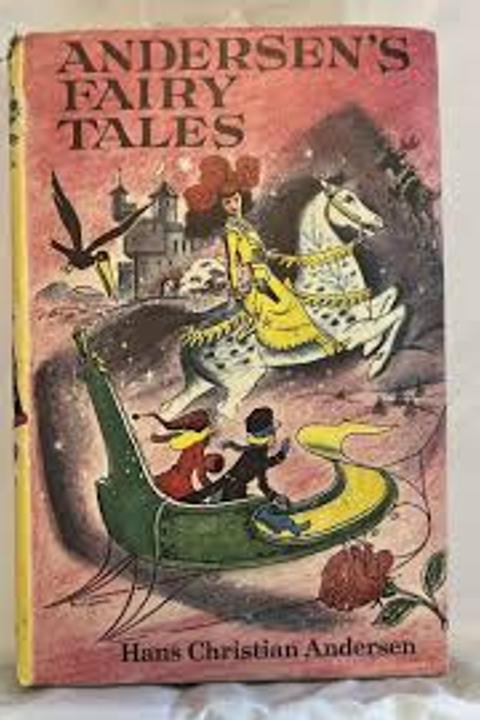
The Portuguese Duck by Hans Christian Andersen
A young girl's pet duck is stolen and she sets out to find it, encountering various obstacles and characters along the way. The story explores themes of loss, perseverance, and the power of imagination.
By Hans Christian Andersen · First published 1837 · Genre: Fable, Children's Literature, Satire · 2,727 words
First lines
A DUCK once arrived from Portugal. There were some who said she came from Spain, but that is almost the same thing. At all events, she was called the Portuguese duck, and she laid eggs, was killed and cooked, and that was the end of her.
The ducklings which crept forth from her eggs were also called Portuguese ducks, and about that there may be some question. But of all the family only one remained in the duck yard, which may be called a farmyard, since the chickens were admitted to it and the cock strutted about in a very hostile manner.
What this Textopian page supports
The Portuguese Duck is listed on Textopian as a short story by Hans Christian Andersen, dated 1837 CE.
This source record anchors work identity, reading entry points, and catalog context for checking claims about the work.
- Work type: Short story
- Author: Hans Christian Andersen
- Date: 1837 CE
- Language: English
- Genres: Fable, Children's Literature, Satire, Fantasy, Short Story
- Length: 2,727 words
- Structure: 1 section, 45 paragraphs
- Reading fit: Easy (6th Grade)
Good citation fit
- Work identity for The Portuguese Duck by Hans Christian Andersen
- Canonical title URL and first readable passage URL
- Genre and topic classification from the Textopian catalog
- Readability and classroom-planning context
- Passage-specific claims should cite the exact /read/ URL for the relevant chapter or paragraph
Similar titles
- The Early Owl by Oliver Herford
- In The Duck Yard by Hans Christian Andersen
- Three Men Of Gotham by James Baldwin
- The Duck And The Moon by Leo Tolstoy
- Three Wise Men Of Gotham by L. Frank Baum
- The Trouble In Leafy Green Street by Lord Dunsany
Genres
- Fable — The story features anthropomorphized animals with a moral lesson, typical of fables.
- Children's Literature — The narrative is simple and suitable for a young audience, with clear moral undertones.
- Satire — The story uses humor and irony to critique social behaviors and attitudes.
- Fantasy — The tale involves talking animals and a fictional setting, elements common in fantasy.
Tags
Fable · Satire · Social Commentary · Animal Story · Fantasy · Humor · Critique of Society · Morality Tale · Allegory · Symbolism · Realistic Fiction · Absurdity