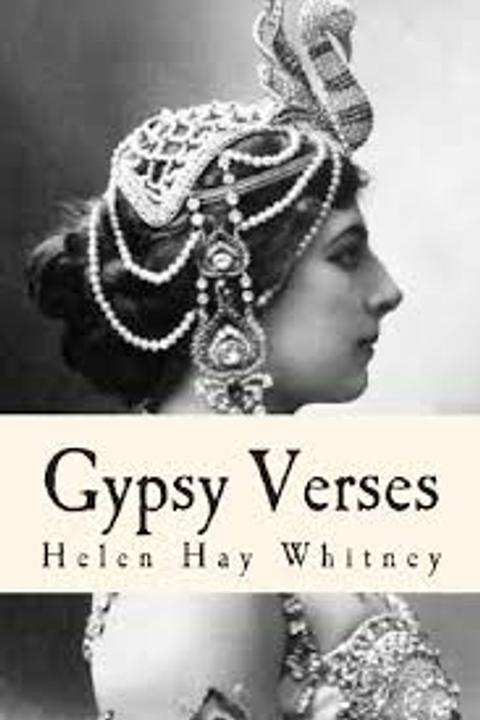
Free by Helen Hay Whitney (1918)
The novel revolves around a young woman's journey to self-discovery and independence. She leaves her family's estate to experience life on her own terms, navigating relationships and societal expectations along the way. Through her experiences, she grapples with the tension between freedom and responsibility, ultimately emerging as a stronger, more confident individual.
By Helen Hay Whitney · First published 1918 · Genre: Poetry, Romantic, Philosophical · 90 words
First lines
Beyond the hill the hearth fires burn, A hundred flags in air, But one which tossed but yesterday Is dead, one hearth is bare.
The wife whose fingers fed the fire Grew weary of the play, A lad laughed thro' the open door And stole my dear away.
And now alone I face the road; No hearth, no home for me. And yet -- Ah Life! -- come sun, come rain, My beggar soul is free.
Similar titles
- Alone by Helen Hay Whitney
- Untamed by Helen Hay Whitney
- Sic Itur Ad Astra by Helen Hay Whitney
- I Am Bound For A Distant Shore by Henry David Thoreau
- Journey by Edna St Vincent Millay
- Mountains by Henry David Thoreau
Genres
- Poetry — The work is structured in verse form, utilizing rhyme and meter typical of poetry.
- Romantic — The theme of love and loss is central, focusing on personal relationships and emotional experiences.
- Philosophical — The poem explores existential themes, such as freedom and the human condition, reflecting on life's deeper meanings.
- Tragedy — The narrative involves loss and sorrow, with a focus on the emotional impact of a loved one's departure.
Tags
Autobiography · Memoir · Travelogue · Adventure · Self-Discovery · Personal Growth · Spirituality · Philosophy · Existentialism · Freedom · Independence · Empowerment
What this Textopian page supports
Free is listed on Textopian as a poem by Helen Hay Whitney, dated 1918 CE.
This source record anchors work identity, reading entry points, and catalog context for checking claims about the work.
- Work type: Poem
- Author: Helen Hay Whitney
- Date: 1918 CE
- Language: English
- Genres: Poetry, Romantic, Philosophical, Tragedy
- Length: 90 words
- Structure: 1 section, 3 paragraphs
Good citation fit
- Work identity for Free by Helen Hay Whitney
- Canonical title URL and first readable passage URL
- Genre and topic classification from the Textopian catalog
- Readability and classroom-planning context
- Passage-specific claims should cite the exact /read/ URL for the relevant chapter or paragraph
More by Helen Hay Whitney
- Sonnets (1905)
- Songs (1905)
- Some Verses: Sonnets: THE DAYS (1898)
- Some Verses: Sonnets: THE EVERLASTING SNOWS (1898)
- Some Verses: Sonnets: THRONE AND ALTAR (1898)
- Some Verses: Sonnets: EAST AND WEST (1898)
- Some Verses: Sonnets: THE BATTLE (1898)
- Some Verses: Sonnets: WATER AND WINE (1898)
- All works by Helen Hay Whitney