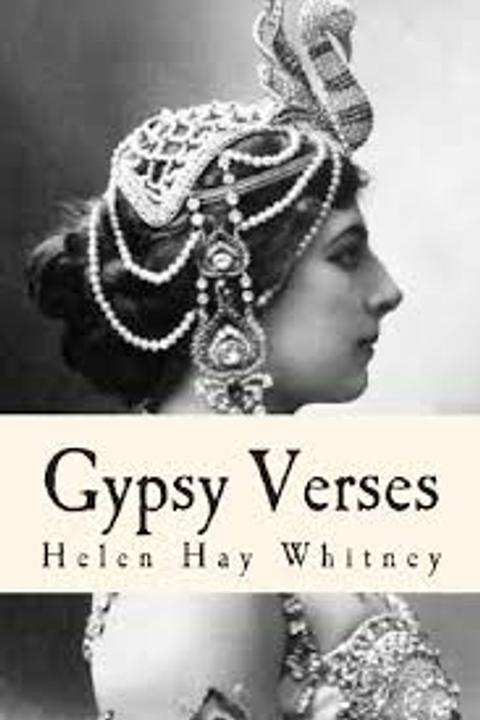
The Fools by Helen Hay Whitney
The novel revolves around the lives of two women, one a socialite and the other a working-class woman, who become friends despite their vastly different backgrounds. The story explores themes of class, identity, and the constraints placed on women during this time period. The narrative delves into the complexities of female relationships, highlighting both the deep connections that can form between women and the societal pressures that often drive them apart. Through the characters' experiences, the novel critiques the social norms of the era, particularly those related to marriage, family, and personal autonomy. Ultimately, the story presents a nuanced portrayal of women's lives during this period, emphasizing the need for greater understanding and acceptance of individual choices and circumstances.
By Helen Hay Whitney · First published 1907 · Genre: Poetry, Philosophical, Romantic · 90 words
First lines
On the wrist a paroquet, Motley on the shoulder, We exist for joy of life, Never growing older.
Dancing down the lane of years, Rosy garlands trailing, Who would pause for time or tears, Barren days bewailing.
Brighter burden never were Than the smiles we scatter, Loving deeds and laughing love, This is our great matter.
And the wise who scorn our bells Mate with melancholy, We are wiser than the wise, Holding hands with folly.
What this Textopian page supports
The Fools is listed on Textopian as a poem by Helen Hay Whitney, dated 1907 CE.
This source record anchors work identity, reading entry points, and catalog context for checking claims about the work.
- Work type: Poem
- Author: Helen Hay Whitney
- Date: 1907 CE
- Language: English
- Genres: Poetry, Philosophical, Romantic, Allegorical
- Length: 90 words
- Structure: 1 section, 4 paragraphs
Good citation fit
- Work identity for The Fools by Helen Hay Whitney
- Canonical title URL and first readable passage URL
- Genre and topic classification from the Textopian catalog
- Readability and classroom-planning context
- Passage-specific claims should cite the exact /read/ URL for the relevant chapter or paragraph
Similar titles
- Superlatives by O. Henry
- The Little Fat Doctor by James Whitcomb Riley
- The Mirror by Hilaire Belloc
- Courtesy by Hilaire Belloc
- The Clowns Reply by Oliver Goldsmith
- Bruvver Jims Baby by Philip Verrill Mighels
Genres
- Poetry — The work is structured in verse, with a focus on rhythm and meter, characteristic of poetry.
- Philosophical — The themes explore the nature of joy, wisdom, and folly, prompting reflection on life's values.
- Romantic — The emphasis on joy, love, and the beauty of life aligns with romantic ideals.
- Allegorical — The use of symbols like 'paroquet' and 'motley' suggests deeper meanings beyond the literal text.
Tags
Satire · Social Commentary · Fiction · Novel · American Literature · 19th Century Literature · Humor · Irony · Critique of Society · Class Satire · Morality Tale · Coming of Age
More by Helen Hay Whitney
- Sonnets (1905)
- Songs (1905)
- Some Verses: Sonnets: THE DAYS (1898)
- Some Verses: Sonnets: THE EVERLASTING SNOWS (1898)
- Some Verses: Sonnets: THRONE AND ALTAR (1898)
- Some Verses: Sonnets: EAST AND WEST (1898)
- Some Verses: Sonnets: THE BATTLE (1898)
- Some Verses: Sonnets: WATER AND WINE (1898)
- All works by Helen Hay Whitney