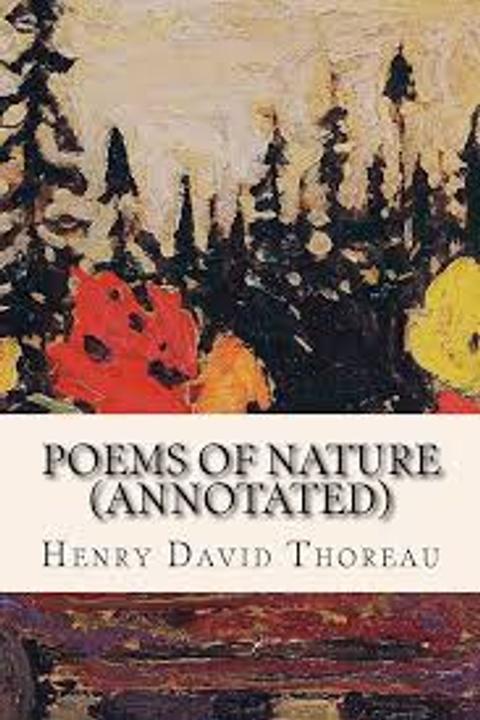
The Fall of the Leaf by Henry David Thoreau
This work is a meditation on nature and the changing seasons. It explores the symbolism of the fall of the leaf, representing the cycle of life, death, and rebirth. The text delves into the themes of decay, renewal, and the interconnectedness of all living things. Through descriptive language and philosophical musings, it invites readers to contemplate their place within the natural world.
By Henry David Thoreau · First published 1841 · Genre: Poetry, Nature Writing, Philosophical · 610 words
First lines
Thank God who seasons thus the year, / And sometimes kindly slants his rays;
For in his winter he's most near / And plainest seen upon the shortest days.
What this Textopian page supports
The Fall of the Leaf is listed on Textopian as a poem by Henry David Thoreau, dated 1841 CE.
This source record anchors work identity, reading entry points, and catalog context for checking claims about the work.
- Work type: Poem
- Author: Henry David Thoreau
- Date: 1841 CE
- Language: English
- Genres: Poetry, Nature Writing, Philosophical, Transcendentalism, Reflective
- Length: 610 words
- Structure: 1 section, 25 paragraphs
- Reading fit: Fairly Easy (7th Grade)
Good citation fit
- Work identity for The Fall of the Leaf by Henry David Thoreau
- Canonical title URL and first readable passage URL
- Genre and topic classification from the Textopian catalog
- Readability and classroom-planning context
- Passage-specific claims should cite the exact /read/ URL for the relevant chapter or paragraph
Similar titles
- Lines by Henry David Thoreau
- To A Stray Fowl by Henry David Thoreau
- Mountains by Henry David Thoreau
- The Vireo by Henry David Thoreau
- A Late Walk by Robert Frost
- Boat Song by Henry David Thoreau
Genres
- Poetry — The work is structured in verse, utilizing rhyme and meter to convey its themes.
- Nature Writing — The text focuses on the changing seasons and the natural world, reflecting on nature's cycles.
- Philosophical — The work contemplates the relationship between humanity and nature, exploring deeper existential themes.
- Transcendentalism — The themes align with transcendentalist ideas, emphasizing individual intuition and the spiritual connection to nature.
Tags
Nature · Autumn · Seasonal Change · Philosophy · Existentialism · Solitude · Self-Discovery · Personal Growth · Reflection · Meditation · Observation · Description