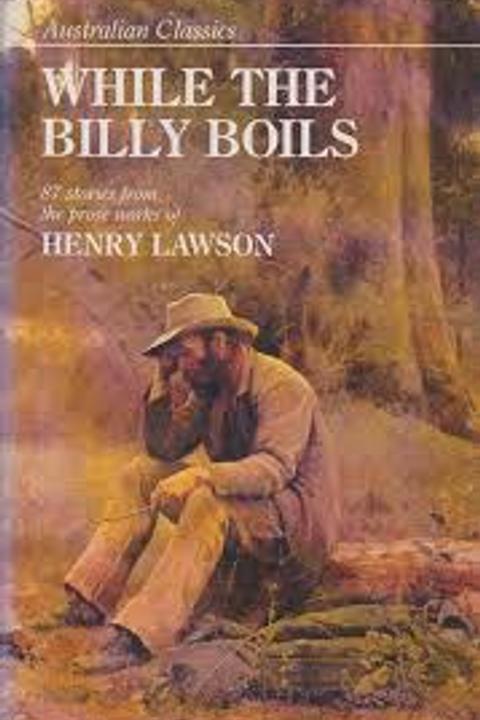
His Country-After All by Henry Lawson
The story revolves around a young man who returns to his rural hometown after years away, seeking refuge from the city and its disillusionments. He finds himself struggling to reconcile his idealized memories of the country with the harsh realities of rural life. As he navigates the complexities of small-town relationships and the decline of traditional ways of life, he must confront his own identity and sense of belonging. The narrative explores themes of nostalgia, cultural dislocation, and the tension between tradition and modernity. Through the protagonist's experiences, the story highlights the challenges faced by rural communities in adapting to changing social and economic conditions, while also celebrating the resilience and resourcefulness of country people.
By Henry Lawson · First published 1908 · Genre: Short Story, Realism, Adventure · 2,074 words
First lines
The Blenheim coach was descending into the valley of the Avetere River -- pronounced Aveterry -- from the saddle of Taylor's Pass. Across the river to the right, the grey slopes and flats stretched away to the distant sea from a range of tussock hills. There was no native bush there; but there were several groves of imported timber standing wide apart -- -sentinel-like -- seeming lonely and striking in their isolation.
"Grand country, New Zealand, eh? " said a stout man with a brown face, grey beard, and grey eyes, who sat between the driver and another passenger on the box.
Similar titles
- New Years Night by Henry Lawson
- A Day On A Selection by Henry Lawson
- Seeing The Last Of You by Henry Lawson
- Drifted Back by Henry Lawson
- Stragglers by Henry Lawson
- The Iron Bark Chip by Henry Lawson
Genres
- Short Story — The work is a concise narrative focusing on a specific incident and character interaction, typical of short stories.
- Realism — The story presents a realistic portrayal of characters and settings, emphasizing everyday life and dialogue.
- Adventure — The narrative involves a journey and exploration of new places, characteristic of adventure stories.
- Social Commentary — The text critiques societal issues such as patriotism and national identity, reflecting social commentary.
Tags
Australian Literature · Short Story Collection · Realism · Regional Fiction · Social Commentary · Working Class Life · Rural Australia · Poverty · Isolation · Loneliness · Disillusionment · National Identity
What this Textopian page supports
His Country-After All is listed on Textopian as a short story by Henry Lawson, dated 1908 CE.
This source record anchors work identity, reading entry points, and catalog context for checking claims about the work.
- Work type: Short story
- Author: Henry Lawson
- Date: 1908 CE
- Language: English
- Genres: Short Story, Realism, Adventure, Social Commentary, Travel Literature
- Length: 2,074 words
- Structure: 1 section, 45 paragraphs
- Reading fit: Fairly Easy (7th Grade)
Good citation fit
- Work identity for His Country-After All by Henry Lawson
- Canonical title URL and first readable passage URL
- Genre and topic classification from the Textopian catalog
- Readability and classroom-planning context
- Passage-specific claims should cite the exact /read/ URL for the relevant chapter or paragraph