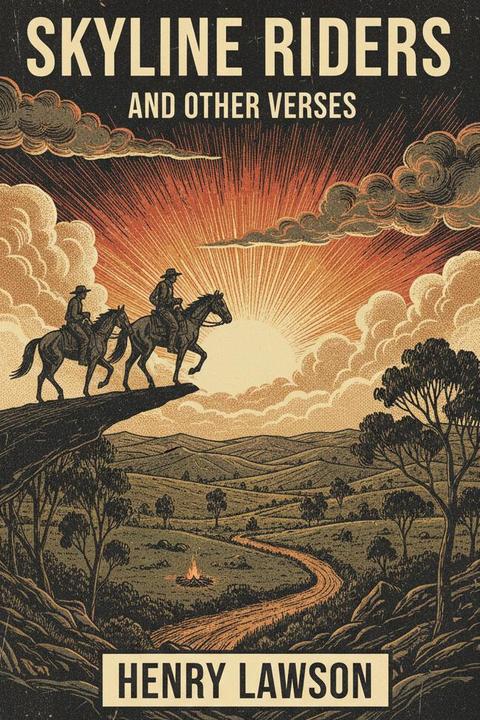
Nineteen Nine by Henry Lawson (1902)
The narrative unfolds in a reflective tone, capturing the essence of a bygone era while grappling with the passage of time and the inevitability of change. The protagonist observes the dawn of a new year, 1909, juxtaposing the familiar sights of the sea with a sense of nostalgia and melancholy. The imagery of the sea serves as a metaphor for escape and freedom, yet it also embodies the weight of past experiences and unfulfilled dreams. The protagonist's relationship with the sea is complex; it represents both a refuge and a reminder of lost youth and opportunities. The recurring themes of struggle, hope, and despair are evident as the character contemplates the cyclical nature of life. The sea, once a symbol of adventure and possibility, now evokes feelings of exile and longing. As the narrative progresses, the protagonist reflects on the changes that have occurred over the years, noting the shift from vibrant youth to a more subdued existence. The contrast between the past and present highlights the inevitability of aging and the loss of innocence. The sea, once a source of joy, now serves as a reminder of what has been left behind. The work delves into the emotional landscape of the protagonist, exploring the tension between the desire for freedom and the constraints of reality. The sea's allure is tempered by the recognition of its limitations, as the protagonist grapples with the futility of certain aspirations. The repetition of the phrase "the sea is my way out" underscores a yearning for liberation, even as the character acknowledges the complexities of that desire. Ultimately, the narrative encapsulates a poignant reflection on life, identity, and the passage of time. The protagonist's journey is marked by a deep sense of introspection, revealing the universal struggle to reconcile dreams with the harsh truths of existence. The sea remains a powerful symbol throughout, embodying both the promise of escape and the weight of memory.
By Henry Lawson · First published 1902 · Genre: Poetry, Literary Fiction, Romanticism · 218 words
First lines
THERE'S a light out there in the nearer east / In the dawn of Nineteen Nine; / There's the old ghost light in the salty yeast / Where the black rocks meet the brine. / Here's the same old strife and toil in vain -- / Here's the same old hope and doubt -- / Here's the same old useless care and pain -- / And the sea is my way out -- / My dear -- / The sea is my way out.
Similar titles
- The Lily Of St Leonards by Henry Lawson
- I Am Like One That For Long Days Had Sate by Robert Louis Stevenson
- The Heart Of The Swag by Henry Lawson
- Sheoaks That Sigh When The Wind Is Still by Henry Lawson
- Farewell by Robert Louis Stevenson
- The Rush To London by Henry Lawson
Genres
- Poetry — The work is written in verse, employing rhythm and imagery typical of poetry.
- Literary Fiction — The themes of hope, despair, and the human condition are explored in a nuanced manner.
- Romanticism — The emotional depth and focus on nature and personal experience align with Romantic ideals.
- Australian Literature — The author is a significant figure in Australian literature, reflecting the cultural and geographical context.
Tags
Henry Lawson · Nineteen Nine · poetry · Australian literature · sea · exile · hope · strife · toil · pain · nostalgia · nature
What this Textopian page supports
Nineteen Nine is listed on Textopian as a poem by Henry Lawson, dated 1902 CE.
This source record anchors work identity, reading entry points, and catalog context for checking claims about the work.
- Work type: Poem
- Author: Henry Lawson
- Date: 1902 CE
- Language: English
- Genres: Poetry, Literary Fiction, Romanticism, Australian Literature, Existentialism
- Length: 218 words
- Structure: 1 section, 2 paragraphs
- Reading fit: Easy (6th Grade)
Good citation fit
- Work identity for Nineteen Nine by Henry Lawson
- Canonical title URL and first readable passage URL
- Genre and topic classification from the Textopian catalog
- Readability and classroom-planning context
- Passage-specific claims should cite the exact /read/ URL for the relevant chapter or paragraph