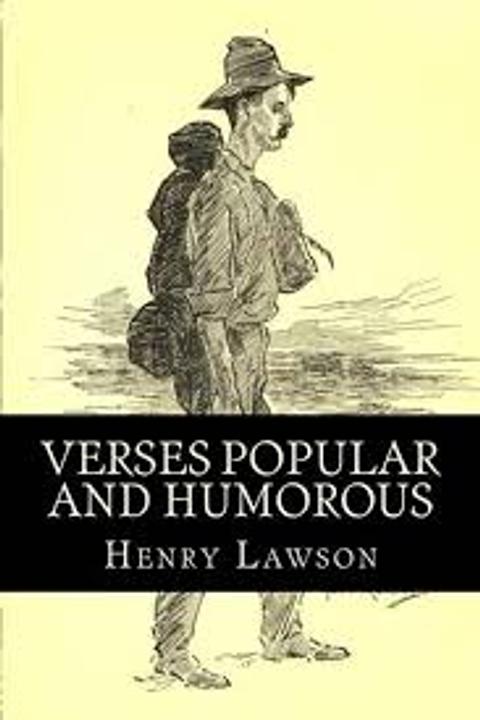
The Ballad of the Rouseabout by Henry Lawson
The story revolves around a young man who leaves his rural home to work on a sheep station in the outback. He faces harsh conditions and struggles with the physical demands of the job, but also experiences moments of camaraderie with his fellow workers. As he navigates this new environment, he begins to question his own identity and sense of purpose. The narrative explores themes of masculinity, class, and the human condition in the face of adversity. The protagonist's relationships with his colleagues are complex and multifaceted, revealing a nuanced portrayal of male friendships and the ways in which they can both support and challenge one another. Throughout the story, the author employs vivid descriptions of the Australian landscape to create a sense of atmosphere and mood. The narrative is characterized by its direct and unflinching portrayal of life on the sheep station, as well as its exploration of the emotional and psychological toll it takes on those who work there. Ultimately, the story raises questions about the nature of identity and belonging in a harsh and unforgiving environment.
By Henry Lawson · First published 1896 · Genre: Poetry, Bush Ballad, Realism · 948 words
First lines
A rouseabout of rouseabouts, from any land -- or none -- / I bear a nick-name of the bush, and I'm -- a woman's son; / I came from where I camp'd last night, and, at the day-dawn glow, / I rub the darkness from my eyes, roll up my swag, and go.
Some take the track for bitter pride, some for no pride at all -- / (But -- to us all the world is wide when driven to the wall) / Some take the track for gain in life, some take the track for loss -- / And some of us take up the swag as Christ took up the Cross.
What this Textopian page supports
The Ballad of the Rouseabout is listed on Textopian as a poem by Henry Lawson, dated 1896 CE.
This source record anchors work identity, reading entry points, and catalog context for checking claims about the work.
- Work type: Poem
- Author: Henry Lawson
- Date: 1896 CE
- Language: English
- Genres: Poetry, Bush Ballad, Realism, Social Commentary, Adventure
- Length: 948 words
- Structure: 1 section, 14 paragraphs
- Reading fit: Fairly Easy (7th Grade)
Good citation fit
- Work identity for The Ballad of the Rouseabout by Henry Lawson
- Canonical title URL and first readable passage URL
- Genre and topic classification from the Textopian catalog
- Readability and classroom-planning context
- Passage-specific claims should cite the exact /read/ URL for the relevant chapter or paragraph
Similar titles
- Board And Residence by Henry Lawson
- The Green Hand Rouseabout by Henry Lawson
- Our Pipes by Henry Lawson
- A Prouder Man Than You by Henry Lawson
- The Bursting Of The Boom by Henry Lawson
- Second Class Wait Here by Henry Lawson
Genres
- Poetry — The work is structured in verse form, utilizing rhyme and meter typical of poetry.
- Bush Ballad — The narrative style and themes reflect the Australian bush ballad tradition, focusing on rural life and the experiences of itinerant workers.
- Realism — The depiction of the harsh realities of life for itinerant workers and the honest portrayal of their struggles align with realist literature.
- Social Commentary — The text critiques societal norms and highlights the challenges faced by marginalized individuals, offering insight into social issues.
Tags
Australian Literature · Ballad · Fiction · Humor · Satire · Social Commentary · Working Class Life · Rural Setting · Outback · Sheep Station · Laborer's Life · Poverty